

China Metering Unit: Advancing Precision in Energy Measurement
2026-05-23
In the quest for energy efficiency, precision is everything. China's metering units are pushing the boundaries of accuracy, and at the heart of this revolution lies Fanchang Machinery. Discover how cutting-edge technology is redefining what's possible in energy measurement.
The Pursuit of Perfection in Energy Metrics
The Pursuit of Perfection in Energy MetricsChasing flawless energy metrics often feels like nailing jelly to a wall. The numbers we rely on—efficiency ratios, carbon intensities, kilowatt-hours per unit—are seductively precise, yet they dance on shifting assumptions. One facility’s stellar performance might crumble when you account for embodied energy in materials or the time-of-day carbon intensity of grid power. The closer you look, the more the boundary conditions blur: Should we count the energy used by subcontractors? The fuel spent commuting by the workforce? The metrics we worship are never truly complete; they’re just useful approximations, and that uncomfortable truth is the starting point for genuine improvement.
Beyond the technical pitfalls, there’s a deeper cultural trap: metric fixation. When teams are judged solely by a single number—say, energy use per square foot—they optimize for that metric, not for actual energy reduction. Lights get turned off in hallways no one uses, but the servers in the basement still guzzle megawatts because that load doesn’t show up in the same bucket. Over time, the metric becomes a proxy for effort rather than a reflection of reality. Real progress comes from resisting the urge to simplify and instead building a dashboard of imperfect indicators, each highlighting a different facet, none pretending to be the whole truth.
Perhaps the healthiest relationship with energy metrics is to treat them as conversation starters rather than final verdicts. A graph showing a sudden spike in consumption shouldn’t trigger a blame game; it should spark curiosity. Why did that happen? What changed? The pursuit of perfection, in this sense, isn’t about hitting a target—it’s about refining the questions we ask. The most advanced organizations understand that metrics are diagnostic tools, not scorecards. They embrace the messiness and use it to learn, because chasing a perfect number is a distraction from the real work of using energy more wisely.
How Smart Sensors Reshape Power Distribution
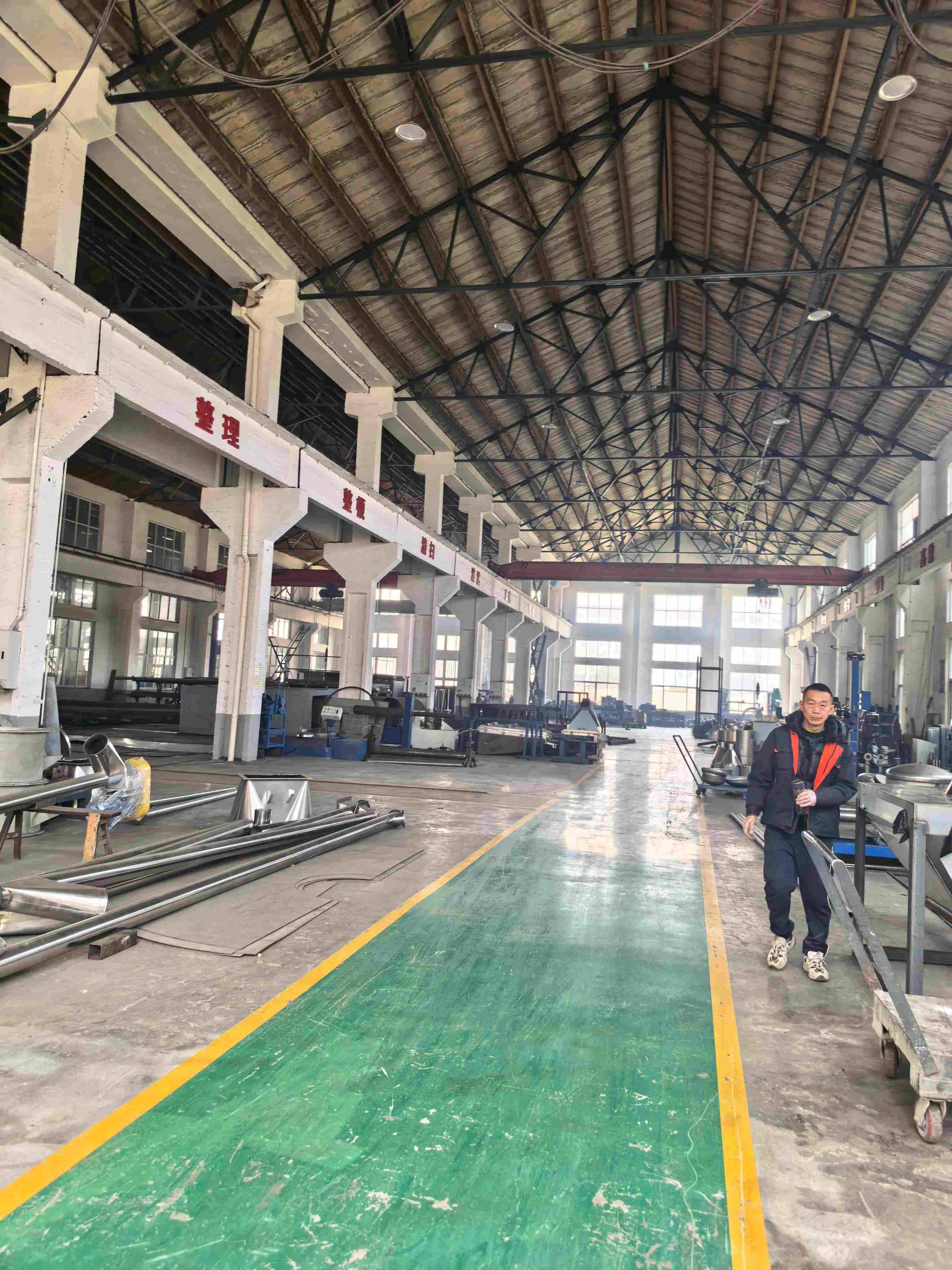
The integration of smart sensors into power distribution networks marks a quiet revolution, turning once-static grids into dynamic, self-regulating systems. These compact devices monitor voltage, current, and temperature in real time, feeding data back to control centers that can instantly adjust to shifting demand. This constant pulse-check allows utilities to spot irregularities before they spiral into faults, reducing downtime and extending the lifespan of infrastructure without human intervention.
Beyond basic monitoring, smart sensors enable predictive analytics that reshape maintenance strategies. Instead of reacting to breakdowns, operators now anticipate them by analyzing trends in sensor data, scheduling repairs only when equipment shows early signs of wear. This shift sidesteps unnecessary routine checks and slashes costs, while keeping the lights on more reliably. In dense urban grids, such foresight prevents cascading failures that once rippled through neighborhoods, keeping critical services humming even under strain.
Perhaps the most visible change is in how these sensors accommodate decentralized energy sources. As rooftop solar panels and local battery storage multiply, the flow of power becomes bidirectional and far less predictable. Smart sensors map these complex currents, balancing loads automatically and rerouting excess generation to where it’s needed most. This fine-tuned orchestration not only stabilizes voltage but also empowers consumers to become active participants, selling surplus energy back to the grid with minimal friction.
Closing the Gap: Lab to Live Network Calibration
Bridging the divide between controlled laboratory environments and real-world network conditions remains one of the most persistent challenges in performance testing. In the lab, everything behaves predictably—latency is minimal, packet loss nonexistent, and configurations pristine. But the moment an application hits a live network, it confronts fluctuating bandwidth, uneven latency, and a mélange of competing traffic that lab simulations rarely capture in full fidelity. This gap can lead to surprises that erode user trust, making accurate calibration between lab results and live deployment not just a nice-to-have, but a fundamental necessity.
Effective calibration demands a shift from static test scenarios to dynamic, context-aware modeling. Instead of relying on synthetic benchmarks, teams are now adopting replay mechanisms that capture real traffic patterns and replay them under varied conditions. This approach surfaces edge cases that simplistic load generators miss—like sudden spikes in DNS lookups or the cascading effect of a single overloaded microservice. By iteratively tuning parameters such as timeout thresholds, retry logic, and congestion window sizes against these real-world profiles, the lab setup evolves into a faithful mirror of the production environment.
The payoff is more than just avoiding post-launch firefighting; it’s about building resilience into the network stack from the ground up. When calibration is treated as a continuous feedback loop rather than a one-off checkpoint, operations teams gain the confidence to push changes faster. They learn not only how the system behaves under ideal conditions, but how it degrades gracefully when pushed to its limits. In the end, closing the lab-to-live gap transforms network performance from a source of anxiety into a predictable, manageable asset.
Accuracy as the Cornerstone of Energy Equity
Without precise measurement and reliable data, the ideal of energy equity remains an empty promise. Accuracy ensures that every household, regardless of location or income, receives a fair assessment of its energy needs and consumption. When billing systems, grid distribution, and resource allocation are built on flawed estimates, the most vulnerable communities bear the brunt of those errors—overpaying for power or enduring unstable supply.
The cascade of inaccuracies widens existing disparities. A miscalibrated smart meter or an outdated consumption model doesn’t just inconvenience; it penalizes. Low-income families often lack the buffer to absorb unexpected charges, and communities already marginalized by infrastructure gaps find themselves further excluded from clean energy transitions. Accuracy, therefore, is not merely technical hygiene—it is a social shield.
Pursuing true energy equity demands that we embed precision into every layer of the system, from real-time monitoring tools to transparent pricing algorithms. This means investing in robust verification methods, local-level data gathering that reflects real usage patterns, and rigorous oversight that holds providers accountable. When accuracy underpins the framework, energy becomes a dependable equalizer rather than a hidden source of injustice.
Adapting Measurement for Green Energy Sources
Measuring power from green sources like solar and wind requires a fundamental shift in how we capture and interpret energy data. Unlike traditional fossil fuel plants that deliver steady, predictable output, renewables fluctuate with weather and time of day. This calls for dynamic metering systems that sample at much higher frequencies and can handle bidirectional flows, especially when prosumers feed excess energy back into the grid. Without such adaptability, grid operators risk imbalances and wasted clean electricity.
Modern approaches go beyond simple kilowatt-hour totals. They incorporate real-time power quality analytics, voltage stability indicators, and even predictive algorithms that forecast short-term generation based on local weather feeds. Advanced meters now serve as edge computing nodes, processing data on-site to reduce latency and bandwidth demands. This local intelligence enables faster responses—such as automatically adjusting inverter settings or signaling storage systems to charge during surplus—which keeps the network stable without human intervention.
Another critical aspect is standardizing how these measurements are shared across different systems. Interoperability protocols ensure that equipment from various manufacturers can communicate seamlessly, turning raw data into actionable insights for grid management. By adopting open data models and time-synchronized measurements, utilities can accurately attribute generation to specific sources and fairly compensate small-scale producers. The result is a more resilient grid where green energy is not just an add-on but a fully integrated, measurable asset.
The Future of Metering: Fast, Flawless, and Fair
Speed in metering isn’t just about quick readings—it’s about real-time insight. Imagine infrastructure that captures data the moment it’s generated, turning raw numbers into actionable decisions without lag. This pace changes how utilities respond to demand, enabling systems that adapt instantly rather than waiting for periodic checks. It’s a shift from delayed reporting to a constant pulse, where every watt and drop is tracked as it moves.
Flawless operation means more than accuracy; it’s a system built to anticipate errors before they happen. By weaving self-auditing logic into the core of measurement, inconsistencies become rare anomalies flagged and resolved without human intervention. This level of reliability transforms metering from a passive recorder into a guardian of data integrity, ensuring that what you see is exactly what’s real. No gaps, no guesswork.
Fairness in metering redefines the relationship between provider and consumer. It’s about transparent billing that reflects true usage, not estimates or averages, and opens the door to dynamic pricing that rewards mindful consumption. When customers trust that every unit is accounted for equitably, it fosters a cooperative energy landscape—one where sophistication isn’t a barrier but a bridge to mutual benefit.
FAQ
It’s a specialized body focused on refining the accuracy of energy measurement tools and protocols. Their work ensures that devices like smart meters and flow sensors deliver reliable data, which feeds directly into energy trading, billing, and system optimization.
Small measurement errors can cascade into huge financial disputes or operational inefficiencies across the grid. For large-scale energy transactions, even a 0.1% deviation might mean millions in lost revenue or unfair consumer charges. Accuracy is the backbone of trust in the entire energy market.
They integrate advanced sensor fusion, real-time data calibration, and new reference standards that outpace current industrial norms. For instance, they’ve pioneered dynamic testing methods that mimic real-world fluctuations rather than just static lab conditions.
They deal with everything from electromagnetic interference in urban substations to compensating for temperature swings in remote wind farms. Each environment introduces noise that can throw off readings, so they develop adaptive algorithms and shielding techniques to keep measurements steady.
Households feel the impact through more trustworthy billing and smarter energy usage feedback. When your home meter doesn’t drift over time and captures every kilowatt-hour correctly, you’re not overpaying, and you can make informed choices about consumption.
Unlike conventional labs that might rely heavily on legacy calibration cycles, this unit emphasizes continuous monitoring and AI-driven anomaly detection. Their ‘traceability chain’ isn’t just a static hierarchy—it’s a live, self-auditing system that flags deviations before they become problems.
They recently introduced a contactless power measurement system for high-voltage lines that reduces risk to field technicians. By using laser-based sensors, they can verify line losses without ever making physical contact, and the data telemeters back with uncertainty under 0.05%.
Conclusion
At the heart of modern energy systems lies the unyielding demand for precise measurement, a principle that China Metering Unit has elevated through relentless refinement. The journey from laboratory-grade accuracy to real-world reliability is no small feat—smart sensors are now woven into power distribution grids, capturing granular data and dynamically adjusting to load fluctuations. This shift is narrowing the calibration gap that once separated controlled experiments from live network conditions. By embedding intelligence directly into metering devices, the unit ensures that every kilowatt is accounted for with a fidelity that was once aspirational but is now operational.
Yet precision alone is insufficient without equity. Accurate metering underpins fair billing and resource allocation, making it the cornerstone of energy justice. As renewable sources inject variability into the grid, metering technology has adapted to handle bidirectional flows and intermittent generation, ensuring transparency for both producers and consumers. Looking ahead, the future of metering is defined by speed, flawless data integrity, and impartiality—a vision where measurement not only keeps pace with innovation but actively fosters a sustainable and equitable energy landscape.
Contact Us
Contact Person: Darye WANG
Email: [email protected]
Tel/WhatsApp: 86-13501017897
Website: https://www.fcntd.com/