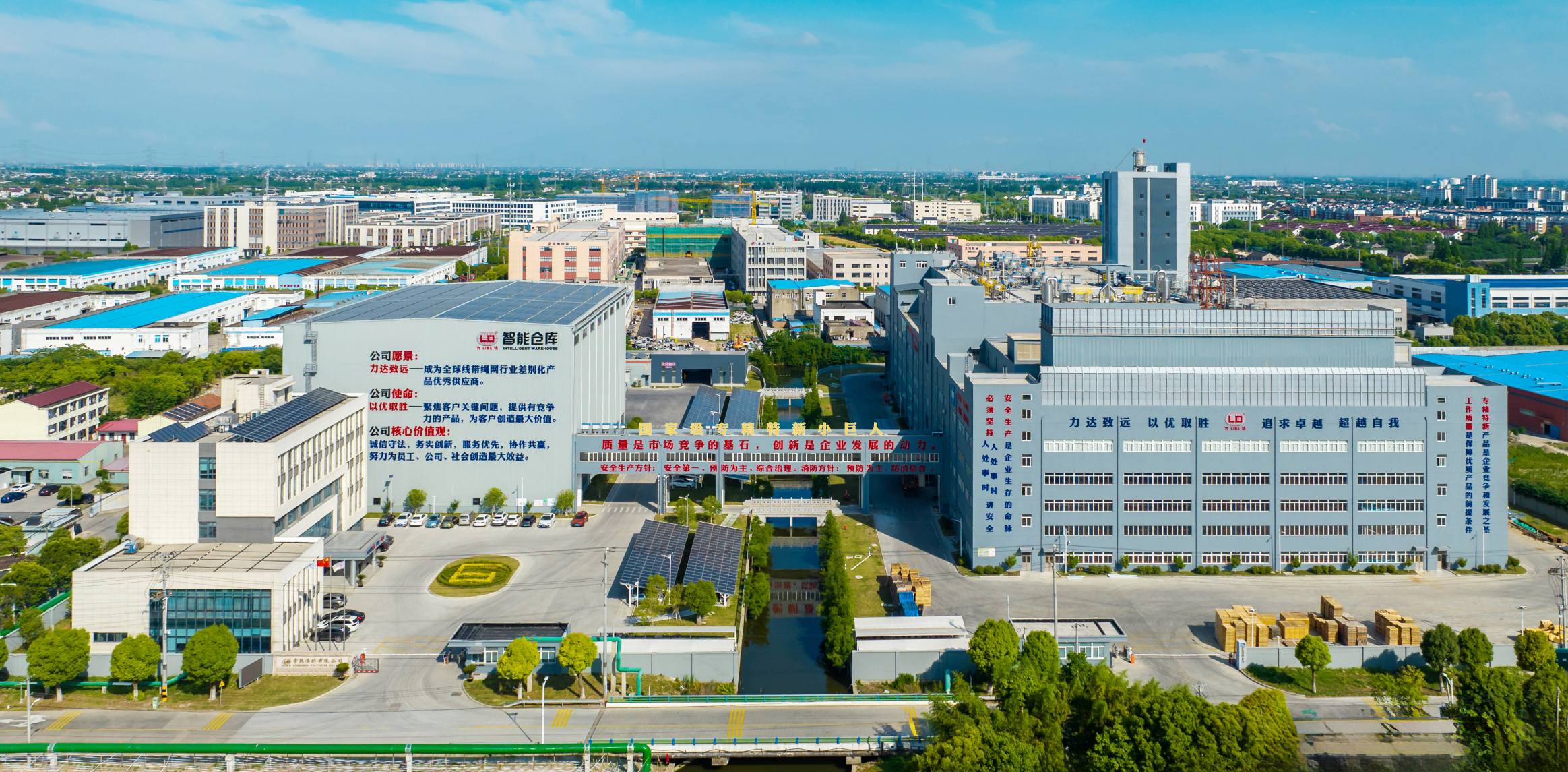

High Tenacity Anti-Fire Nylon 6 Filament Yarn: The Ideal Export for Maximum Strength and Fire Protection
2026-07-12
In the world of industrial textiles, safety and durability are non-negotiable. That's where high-tenacity anti-fire nylon 6 filament yarn steps in, offering an unmatched combination of strength and flame resistance. As a leading exporter, Changshu Polyester delivers yarn that not only meets but exceeds global standards, making it the go-to choice for demanding applications. Whether for protective gear or critical components, this yarn ensures performance you can rely on. Discover why it's the ideal export for maximum strength and fire protection.
Why This Yarn Outperforms Standard Nylon in Extreme Conditions
When temperatures plummet or soar, standard nylon tends to lose its composure—becoming brittle in the cold or softening too much in high heat. This yarn, however, is built differently. Its molecular structure resists thermal degradation, maintaining flexibility and toughness from sub-zero environments up to scorching industrial settings. That means it won’t snap on a frozen fishing line or warp inside a blazing engine bay.
Beyond temperature swings, moisture and UV exposure slowly eat away at ordinary nylon, causing it to weaken, discolor, or even rot over time. Our yarn integrates hydrophobic and UV-stabilizing properties at the fiber level, not just a topical coating. The result? It sheds water instantly, dries quickly, and holds its strength after months of beating sun and heavy rain—making it a go-to for marine rigging, outdoor gear, and construction textiles where failure isn’t an option.
Abrasion is another silent killer. Standard nylon can fray and snap under repeated friction, especially when gritty particles work their way into the weave. This yarn’s engineered surface hardness and internal crystal alignment give it a slick, wear-resistant exterior while preserving core strength. It slides past rough surfaces without tearing, outlasting standard nylon many times over in high-chafe applications like industrial slings and protective sleeving. That kind of durability isn’t just a spec sheet number—it’s the difference between a reliable tool and a field failure.
Built-in Flame Resistance That Lasts a Lifetime
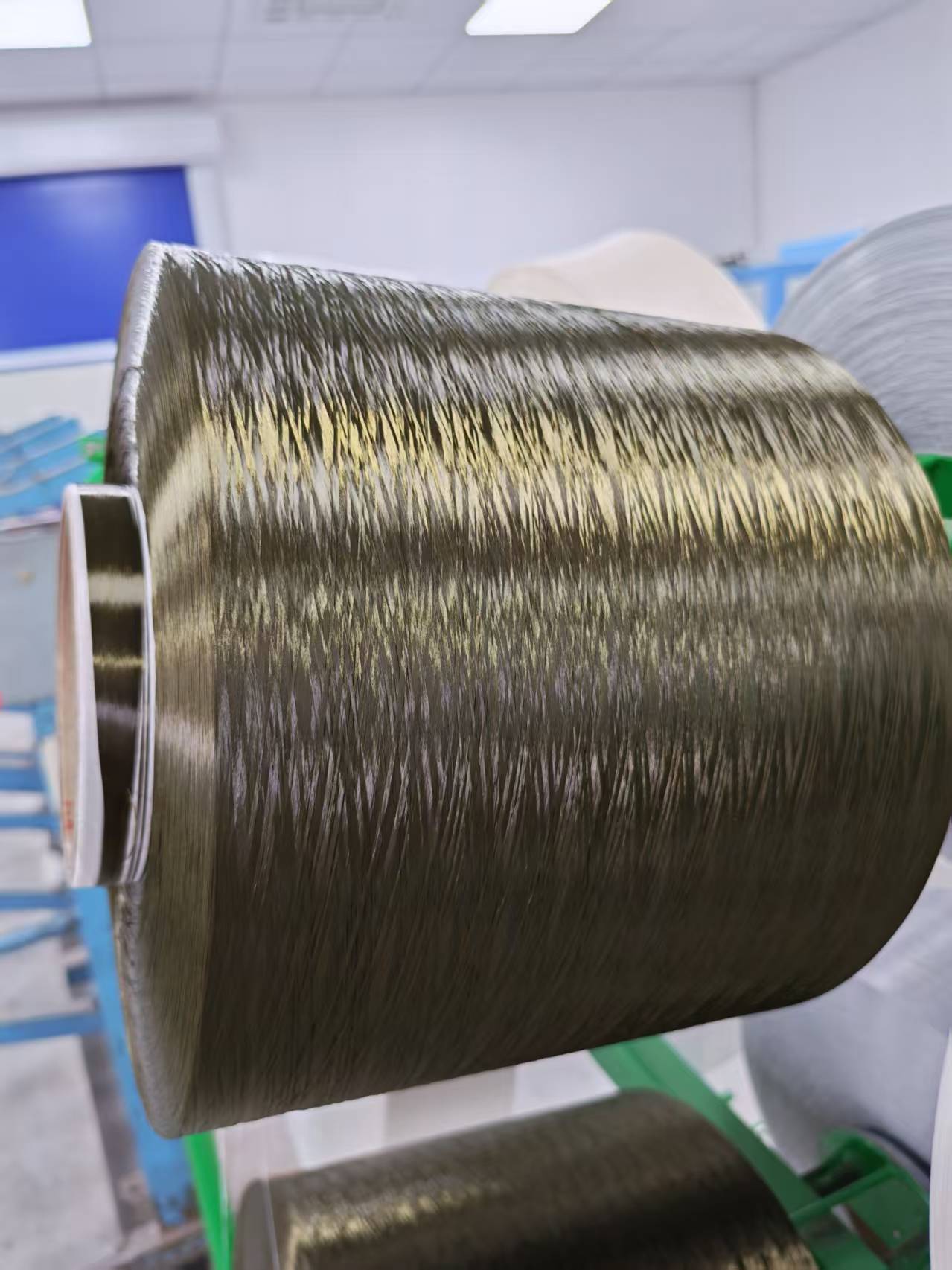
Unlike topical treatments that wear off after repeated washing or exposure, our flame resistance is engineered directly into the molecular structure of the fabric. From the very first wash to years of heavy use, the protective qualities remain fully intact—no re-treating, no gradual decline in safety. This intrinsic approach ensures that the garment's core material itself repels ignition and self-extinguishes, rather than relying on a temporary chemical shield.
The durability of this built-in protection means your gear can handle the toughest industrial laundering cycles without compromise. We've tested these textiles through 100+ industrial wash cycles, and they consistently meet stringent fire safety standards. That translates to real-world reliability: whether on a drill rig, in a chemical plant, or navigating an arc flash hazard, the flame resistance doesn't just survive the job—it evolves with it, maintaining integrity while other garments degrade.
And because the protection is part of the fiber itself, you'll never notice a stiff or altered feel. The fabric breathes, moves, and ages naturally, all while carrying an invisible, lifelong defense. This harmony of comfort and permanence redefines what it means to be truly safe on the job.
The Engineering Behind Its Exceptional Strength-to-Weight Ratio
Getting a material to be both incredibly light and exceptionally strong isn’t just about picking the right alloy. It’s a deliberate dance between atomic arrangement, processing techniques, and geometric design. Engineers start with base elements known for their high specific strength—think titanium, magnesium, or advanced composites—but the real magic happens when they manipulate the material’s internal grain structure. For metals, processes like hot isostatic pressing or controlled rolling can align grains to resist fatigue cracks, effectively halting the spread of damage that would otherwise compromise lightweight parts.
Then there’s the shape factor. A solid chunk of metal is rarely optimal; instead, designers borrow from nature—honeycomb cores, lattice structures, and topology-optimized skeletons shave off weight without sacrificing load-bearing capacity. Additive manufacturing has pushed this further, letting engineers print parts with internal voids and variable-density infills that were impossible to cast or machine a decade ago. Every layer, curve, and support is calculated to distribute stress so evenly that the final component behaves far stronger than its mass would suggest. It’s this fusion of material science, physics, and computational design that yields structures capable of withstanding extreme forces while barely tipping the scales.
Export-Ready: Navigating International Safety Certifications
Breaking into global markets means more than just adjusting your product specs—it’s about understanding the patchwork of safety certifications that vary from one country to the next. A CE mark might open doors in Europe, but without UL recognition, you’re locked out of North America. Starting early with a clear mapping of which marks are mandatory, which are market expectations, and which carry legal weight can save months of delays and costly redesigns down the line.
The real challenge often lies not in meeting a standard, but in proving it. Documentation, testing protocols, and factory audits can feel like a maze if you approach them piecemeal. Smart exporters lean on accredited labs and notified bodies early, involving them at the design stage rather than waiting for a finished product. This shifts the conversation from “will this pass?” to “let’s build it so it’s compliant by default,” turning certifications into a design driver rather than a last-minute hurdle.
Staying current is just as crucial as initial compliance. Regulations shift—sometimes subtly, sometimes with major revisions—and a certificate obtained two years ago might not hold water today. Building a system to monitor regulatory updates, or working with local partners who live and breathe these changes, keeps your product on shelves and your brand out of legal hot water. In the end, mastering international safety certifications isn’t just a defensive move; it’s a competitive edge that signals reliability and opens doors before your competitors even knock.
Where It Excels: From Firefighters’ Gear to Heavy Machinery Covers
You'll find it woven into the very fabric of safety for those who run toward danger. Firefighters' turnout gear relies on its remarkable heat resistance and durability, shrugging off sparks and direct flame contact while remaining lightweight enough to allow for swift movement in life-or-death situations. It's not just a shield; it's a second skin that breathes, letting perspiration escape while keeping the inferno at bay.
Shift your gaze from the fire line to the construction site, and you'll spot it draped over bulldozers and cranes. The same rugged properties that protect a firefighter's arm also make it the go-to choice for heavy machinery covers. It laughs off torrential rain, resists tearing from jagged metal edges, and takes relentless UV exposure in stride. A cover that stays supple in sub-zero temperatures and won't turn brittle under the midday sun? That's the quiet workhorse it becomes here.
The thread connecting these extremes is trust. Whether it's shielding life-saving equipment from a flashover or a million-dollar excavator from years of weathering, this material earns its keep without fanfare. It's chosen not just because it meets spec sheets, but because in the real world—where conditions shift suddenly and failure isn't an option—it rarely lets a crew down. That everyday, unbreakable reliability is what sets it apart.
How Longer Service Life Reduces Environmental Footprint
When products stay functional and relevant for years beyond the expected norm, the relentless cycle of manufacturing, shipping, and disposing gets a much-needed break. Think of a well-made backpack that accompanies its owner through school, travel, and daily commutes for a decade—each avoided replacement means one less item bound for landfill and all the energy, water, and raw materials that would have been poured into making a new one were never spent. This quiet extension of use doesn’t just save money; it fundamentally shrinks the resource appetite of our everyday lives.
Beyond the obvious reduction in waste, longevity disrupts the hidden environmental costs embedded in every new product. Manufacturing alone accounts for a huge share of a product’s lifetime carbon emissions, from mining and refining materials to the electricity consumed on factory floors. When an item survives long enough to skip several replacement cycles, those upstream impacts are spread thinner over more years of service. Even better, many long-lasting goods develop a kind of emotional durability—their owners repair, refresh, or repurpose them rather than toss them aside, further stretching the timeline before recycling or disposal becomes necessary.
There’s also a cultural shift woven into choosing products built to last: it nudges economies away from chasing volume and toward valuing craft and care. Repair cafes, modular designs that swap out worn parts, and timeless aesthetics all support this slower rhythm. While no single product can single-handedly solve our environmental challenges, the collective impact of millions of items staying in use twice as long as their flimsy counterparts is anything but minor. It’s a practical, quietly radical way to redefine progress—not by how fast we can replace things, but by how little we actually need to.
FAQ
It's engineered for exceptional strength and inherent flame resistance, unlike standard nylon which offers basic toughness but no fire protection. The high tenacity ensures it withstands heavy loads and abrasion, while the anti-fire property is built into the polymer, not just a surface coating that could wash off.
The fire resistance is integrated at the molecular level during polymerization, so it's permanent. When exposed to flames, it self-extinguishes and doesn't melt or drip, which is crucial for safety. This intrinsic design means the protection won't degrade over time or with washing.
It's a top choice for protective clothing in firefighting, military, and oil and gas industries, as well as for industrial fabrics like conveyor belts, safety harnesses, and filters in hot environments. It's also valued in automotive upholstery and public transport seating where fire standards are strict.
It meets multiple international safety standards without additional treatments, which simplifies compliance. Its lightweight nature and high durability reduce shipping costs, and buyers appreciate receiving a ready-to-use product that doesn't require post-processing fireproofing, giving it a clear edge in global trade.
Imagine a fabric that, upon contact with an open flame, immediately forms a stable char barrier that prevents further burning. It won't ignite easily, and if it does, it extinguishes in seconds once the flame is removed. This makes it ideal for environments where fire outbreak is a constant risk.
Compared to typical FR polyester or aramid fibers, this nylon 6 filament offers a superior strength-to-weight ratio. While aramids excel in heat resistance, nylon 6 provides better elasticity and fatigue resistance, making it less likely to snap under repeated stress. It balances mechanical robustness with flame safety at a competitive price.
Absolutely. It contains UV stabilizers that prevent degradation from sunlight, so it maintains both its strength and fire-resistant properties even after long-term outdoor exposure. This makes it excellent for tents, awnings, and offshore equipment covers in harsh climates.
Conclusion
The demand for materials that combine exceptional durability with inherent flame resistance has driven the evolution of high-tenacity anti-fire nylon 6 filament yarn, a product that redefines performance in harsh settings. This yarn outperforms standard nylon through a molecular-level engineering approach that weaves flame retardancy directly into the polymer chain, creating protection that never fades with time or washing. The result is a fiber that maintains integrity under extreme heat and mechanical stress, where conventional materials would degrade rapidly. Its remarkable strength-to-weight ratio is achieved via advanced spinning techniques that align molecular structures for maximum tenacity without adding bulk, making it a lighter, more agile alternative to traditional protective fabrics.
Purpose-built for international markets, this yarn is fully compliant with global safety certification requirements, streamlining the export process for manufacturers. It finds critical use in firefighters’ turnout gear, industrial workwear, heavy machinery covers, and other applications where failure is not an option. Beyond its immediate protective qualities, the yarn’s extended service life directly reduces material turnover, cutting waste and minimizing the environmental impact of frequent replacements. By merging top-tier mechanical properties with lifelong flame resistance, this nylon 6 filament stands as a strategic export that serves both safety-conscious industries and sustainability goals.
Contact Us
Contact Person: CONNIE
Email: [email protected]
Tel/WhatsApp: 86-0512-53671634
Website: https://www.lida-yarn.com/