

OEM Filling and Aluminum Foil Sealing Machine: Key Benefits and Applications
2026-10-24
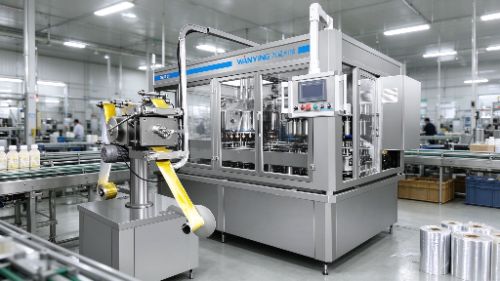
When a filling line starts producing more leaks than sealed bottles, the real cost isn't just wasted product—it's the quiet erosion of customer trust. That's where the right OEM filling and aluminum foil sealing machine changes the equation. From pharmaceuticals to food and cosmetics, these machines deliver airtight, tamper-evident seals that extend shelf life and protect brand reputation. In this post, we'll break down the key benefits and applications, and show how Wanying Machinery designs equipment that holds up under real production pressure—not just on paper.
What Sets OEM Filling and Foil Sealing Equipment Apart
Most filling and sealing lines are built to a price point, not to a process. OEM equipment starts from the opposite end: the product, the container, the closure, and the conditions on your floor. That shift in priority changes everything. Instead of forcing your formulation into a generic filler, the machine is tailored around viscosity, particulate size, foam behavior, and fill accuracy. The foil sealer is matched to your cap torque, liner material, and induction field requirements, so sealing becomes a controlled result rather than a hopeful afterthought.
What really separates OEM systems is how they handle the unglamorous details. Changeover is engineered for the operator who does it three times a day, not the sales engineer who demos it once. Guarding opens without tools, recipes load from a barcode, and the foil head sits on a quick-release mount so liner swaps don't eat a shift. These are small design choices, but they compound. In a multi-SKU environment, the difference between a line that runs and a line that waits often comes down to whether someone thought about the third hour of production, not the first.
OEM also means accountability without finger-pointing. One team designs the filler, the capper, the sealer, and the conveyors that tie them together. If fill accuracy drifts after a foil head replacement, you're not stuck in a loop of vendor blame. The same engineering group tunes the entire line as a system. That coherence extends to documentation too—spare parts lists match the actual serial numbers, electrical drawings reflect the as-built panel, and support calls don't start with a request for your order history. It's a quieter kind of advantage, but after the first unplanned downtime, it's the one you'll care about most.
The Link Between Foil Sealing and Product Freshness
Every time you peel back a foil seal, you're not just opening a container—you're breaking a carefully engineered barrier. That thin metallic layer does more than prevent leaks; it actively blocks oxygen, moisture, and light from reaching the product inside. Without it, even a few days on a shelf could dull flavors, degrade nutrients, or invite unwanted microbial growth. The freshness you taste is often the direct result of how well that seal held its ground.
Think of foil as a silent guardian against the slow creep of staleness. Oxygen is the main culprit behind oxidation, turning oils rancid and making crisp textures soggy. Moisture swings can cause clumping or mold, while UV exposure fades colors and breaks down vitamins. A tightly bonded foil membrane keeps these elements out at a molecular level, often extending shelf life by months rather than weeks. The difference is especially noticeable in products like coffee, sauces, or supplements, where a compromised seal leads to an almost immediate drop in aroma and potency.
Not all foil seals are created equal, though. The quality of the seal—its thickness, the adhesive used, and how evenly it's applied—determines how long freshness actually holds. A weak or partially torn seal lets micro-leaks occur, letting in just enough air to start degradation while still looking intact. That's why many premium brands rely on induction sealing or multi-layer barriers that fuse directly to the container rim. In the end, the link is simple: better foil integrity means a longer, more vibrant life for whatever's inside.
Where Filling and Sealing Lines Deliver the Most Value
Filling and sealing lines make the biggest difference in operations where throughput and product integrity are non-negotiable. Dairy processors, ready-to-drink beverage makers, and liquid food producers rely on these systems to handle thin or viscous products at speed without compromising seal quality. When a line can switch from single-serve cups to family-size bottles in under thirty minutes, the payback goes beyond labor savings—it keeps perishable inventory moving before shelf life becomes a problem.
Another place these lines earn their keep is in clean-fill and extended-shelf-life applications. High hygiene zones, HEPA-filtered enclosures, and cap sterilization are not optional extras for plant-based drinks or cold-brew coffee. The value shows up in fewer rejected containers, lower dissolved oxygen pickup, and a seal that survives distribution without microleaks. That reliability matters most when a brand is shipping across multiple temperature zones or entering club-store channels.
Contract packagers and co-manufacturers also see outsized returns because they face constant format changes. A flexible filler-sealer with tool-less changeovers and recipe-driven settings allows them to take on short runs that larger dedicated plants avoid. The result is higher asset utilization and the ability to quote competitive prices on specialty products like collagen shots, yogurt drinks, or sauce pouches.
Tailoring Your Sealing Setup to Meet Production Demands
Production lines rarely hold still, and your sealing hardware shouldn't either. Instead of reaching for a one-size-fits-all gasket or seal profile, start with the materials your line actually runs: film thickness, lid stock stiffness, tray depth, and even ambient humidity can shift how a seal behaves under heat and pressure. A setup that gives you fine control over dwell time, jaw temperature, and contact force lets you dial in reliable seals for short runs without scrapping an entire shift to trial-and-error adjustments.
Modular sealing heads and quick-change tooling cut the real cost of product changeovers. Swap-out heating bars, pre-aligned clamping cartridges, and tool-less mounting systems can drop a seal profile change from 30 minutes down to under five, but only if the design prevents misalignment during reinstallation. Look for keyed connections, color-coded pressure settings, or digital recipes that load with a barcode scan, so operators don't have to remember the last machine setup from a handwritten log.
Long-term stability comes from monitoring how the seal wears, not just reacting to leaks. Embedded temperature sensors and force feedback can reveal uneven jaw contact or rubber fatigue before it shows up as wrinkled packages. Pair that with a simple inspection schedule based on cycle counts rather than calendar days, and small corrections like spring retensioning or rail realignment become routine maintenance instead of emergency downtime.
Keeping Your Sealing Machinery in Peak Condition
Most sealing line issues start small. A faint scorch mark on the heating element, a slight drag in the film feed, or a temperature reading that lingers a degree or two off spec can quietly turn into weak seals or burnt packaging. Spending five minutes before each shift to wipe down sealing jaws with a soft cloth and inspect bands for hairline cracks or residue buildup will catch problems before they reach the reject bin. Skip the metal scrapers and abrasive pads; even minor scratches on jaw surfaces create uneven pressure and heat transfer.
Calibration drift is more common than many operators assume. Ambient humidity, power fluctuations, and even the type of film you switch to can push actual sealing temperature away from what the control panel shows. A weekly check with a surface thermocouple or fine-wire probe, plus a pressure gauge on pneumatic clamps, gives you a real baseline. If you find a two-degree offset, don't wait for a full shift of rejects to make the adjustment. Keeping a simple logbook with date, material lot, and verified settings makes it far easier to spot gradual drift.
Finally, treat spare parts as part of the sealing system, not just commodity replacements. Cheap aftermarket heating bands often have uneven resistance wire spacing, which creates hot spots that destroy film. Original-spec parts may cost more upfront but keep jaw temperature uniform across the full width. Also train operators to recognize early trouble by sound and smell—a faint buzzing from a solenoid or a slightly sweet odor from overheated PTFE coating can signal a problem long before the machine stops.
Balancing Speed and Reliability on the Production Floor
On a busy production floor, the pull between getting orders out the door and making sure nothing breaks down mid-shift is constant. Veteran line leads often say that speed without reliability is just a faster way to create scrap. The most effective teams don't treat these as competing goals; they build pauses into the rhythm—quick tool checks, staggered maintenance windows, and clear handoff notes—so that momentum doesn't come at the cost of equipment failure or rework.
Reliability gains often show up as small, unglamorous decisions: replacing a worn belt before it snaps, giving a new operator an extra half-hour of shadowing, or refusing to bypass a sensor just to hit a daily target. These choices slow things down in the moment but keep the line from stopping altogether later. When speed is measured over a full week rather than a single shift, the plants that hold steady usually outperform the ones that sprint and stall.
FAQ
Look beyond speed ratings. Check how the filler handles foamy or viscous products, whether the sealing head maintains consistent pressure across warped or uneven cap rims, and how easily you can swap foil liner rolls mid-run. Those small factors often determine whether a line hits its target output after installation.
Edible oils, sauces, syrups, nutritional supplements, and topical creams. These products either oxidize quickly, leak during transit, or need visible tamper evidence. A foil seal provides a clean, induction-bonded barrier that plastic foam liners cannot match for long-haul distribution.
Contract packagers often run dozens of container shapes and product viscosities in a single month. An OEM can configure the filler with servo-driven pumps, quick-release manifolds, and adjustable sealing coils so the line shifts from a 50 ml serum bottle to a 500 ml sauce jar without replacing major components.
It creates a tamper-evident membrane that must be punctured or peeled away before first use. Consumers can see and feel whether the seal is intact, which reduces the risk of accepting a product that has been opened or adulterated. That physical cue is harder to fake than a shrink band or glued carton flap.
Downtime from unavailable spare parts, vague troubleshooting manuals, and firmware that cannot be updated remotely. These issues often surface after the warranty expires. Choosing an OEM with local service technicians and a documented preventive maintenance schedule can cut unplanned stops by a significant margin over five years.
Yes, but the sealing parameters must be adjusted. Glass conducts heat differently than plastic, and induction sealing on glass usually requires a liner with a secondary heat-seal layer. A well-designed OEM system stores separate recipes for each container material so operators do not have to recalibrate manually every time.
Most lines need stable compressed air, a dedicated power circuit for the induction sealer, and enough conveyor length for cap placement and cooling. If you plan to run water-thin liquids, a drip tray and splash guarding around the filling nozzles will save cleanup time and protect electrical components.
Send the OEM actual containers, closures, foil liners, and at least five gallons or liters of your product. Ask for a video or on-site trial that runs at your expected throughput for at least 30 minutes, including stoppages and restarts. Watching only a short demo loop hides issues like nozzle dripping, liner misfeeds, and seal voids on warped caps.
Conclusion
Custom-built filling and foil sealing equipment brings a level of precision that off-the-shelf machines rarely match. When a manufacturer works with an OEM partner, the entire line can be tuned to the specific viscosity of the product, the shape of the container, and the required throughput. That close integration does more than speed up packaging—it directly affects how long a product stays fresh. A properly applied aluminum foil seal creates an airtight barrier that locks out moisture and oxygen, preserving flavor, potency, and texture. This is especially valuable for sauces, dairy items, pharmaceuticals, and personal care formulas where even slight exposure can shorten shelf life or compromise safety.
The real payoff appears in high-demand environments. Filling and sealing lines can be configured for small-batch specialty runs or scaled up for continuous production without sacrificing consistency. Routine attention to sealing heads, temperature controls, and conveyor alignment keeps the machinery in peak condition and prevents the slow drift that leads to leaky seals or jams. Teams that pair preventive maintenance with smart line balancing—matching filler speed to sealer capacity—find they can hit aggressive output targets while keeping rejection rates low. In food, beverage, and chemical sectors, that combination of flexibility and dependability turns a packaging step into a genuine competitive edge.
Contact Us
Contact Person: Tyson
Email: [email protected]
Tel/WhatsApp: +8613396971296
Website: https://www.wanyingmachinery.com