

Optimizing Solar Manufacturing with Custom S235JR Steel: A Key Material for Enhanced Performance
2026-02-06
In the rapidly evolving world of solar energy, the choice of materials can make or break a project's success. This blog delves into a critical yet often overlooked component: custom S235JR steel, a key material that is revolutionizing solar manufacturing. At Energet Solar, we've harnessed its unique properties to enhance performance, durability, and efficiency in our systems. Join us as we explore how this innovative steel is optimizing processes and setting new standards in the industry—stay tuned for insights that could transform your approach to solar solutions.
Understanding S235JR Steel's Role in Solar Manufacturing
In the realm of solar energy infrastructure, S235JR steel emerges as a surprisingly versatile material that often operates behind the scenes but plays a crucial part in the durability and efficiency of solar installations. While solar panels themselves capture most of the spotlight with their photovoltaic cells, the structural frameworks—mounting systems, support racks, and ground mounts—are frequently crafted from S235JR steel. This non-alloy steel, known for its excellent weldability and strength, forms the backbone that holds solar arrays securely in place, whether on rooftops or sprawling fields, ensuring they withstand environmental stresses like wind, snow, and corrosion over decades. Its widespread use stems from a balance of affordability and reliability, making large-scale solar projects economically feasible without compromising on safety.
What sets S235JR apart in solar applications is its composition and treatment, which align perfectly with the industry's demands for longevity and sustainability. Unlike some specialized alloys, S235JR is a hot-rolled steel with a minimum yield strength of 235 MPa, enhanced by a quality designation that indicates good impact resistance at room temperature—essential for outdoor exposure. In solar manufacturing, this translates into components that resist deformation under load, such as the weight of panels or heavy weather conditions, while remaining easy to fabricate into custom shapes. Manufacturers often choose S235JR for its recyclability, too; as the solar sector grows, using materials that can be repurposed at the end of their life cycle supports circular economy goals, reducing environmental impact beyond just energy generation. This steel isn't just a passive support—it actively contributes to the green ethos of solar projects by enabling robust yet eco-conscious designs.
Beyond basic structural roles, S235JR's adaptability shines in innovative solar setups, from floating solar farms to tracking systems. For instance, in floating installations on water bodies, the steel's corrosion resistance, often boosted by coatings like galvanizing, prevents rust in humid, aquatic environments, ensuring long-term stability without frequent maintenance. Similarly, in solar trackers that follow the sun's path, S235JR's mechanical properties allow for precise, durable mechanisms that pivot smoothly, maximizing energy capture. This material's role isn't static; as solar technology evolves, S235JR continues to be refined in alloys and treatments to meet new challenges, such as lighter weight requirements or enhanced durability in harsh climates. Ultimately, understanding S235JR steel in solar manufacturing reveals it as a cornerstone material that bridges engineering practicality with the renewable energy vision, enabling reliable, cost-effective solar power generation worldwide.
Customization Techniques for Improved Durability
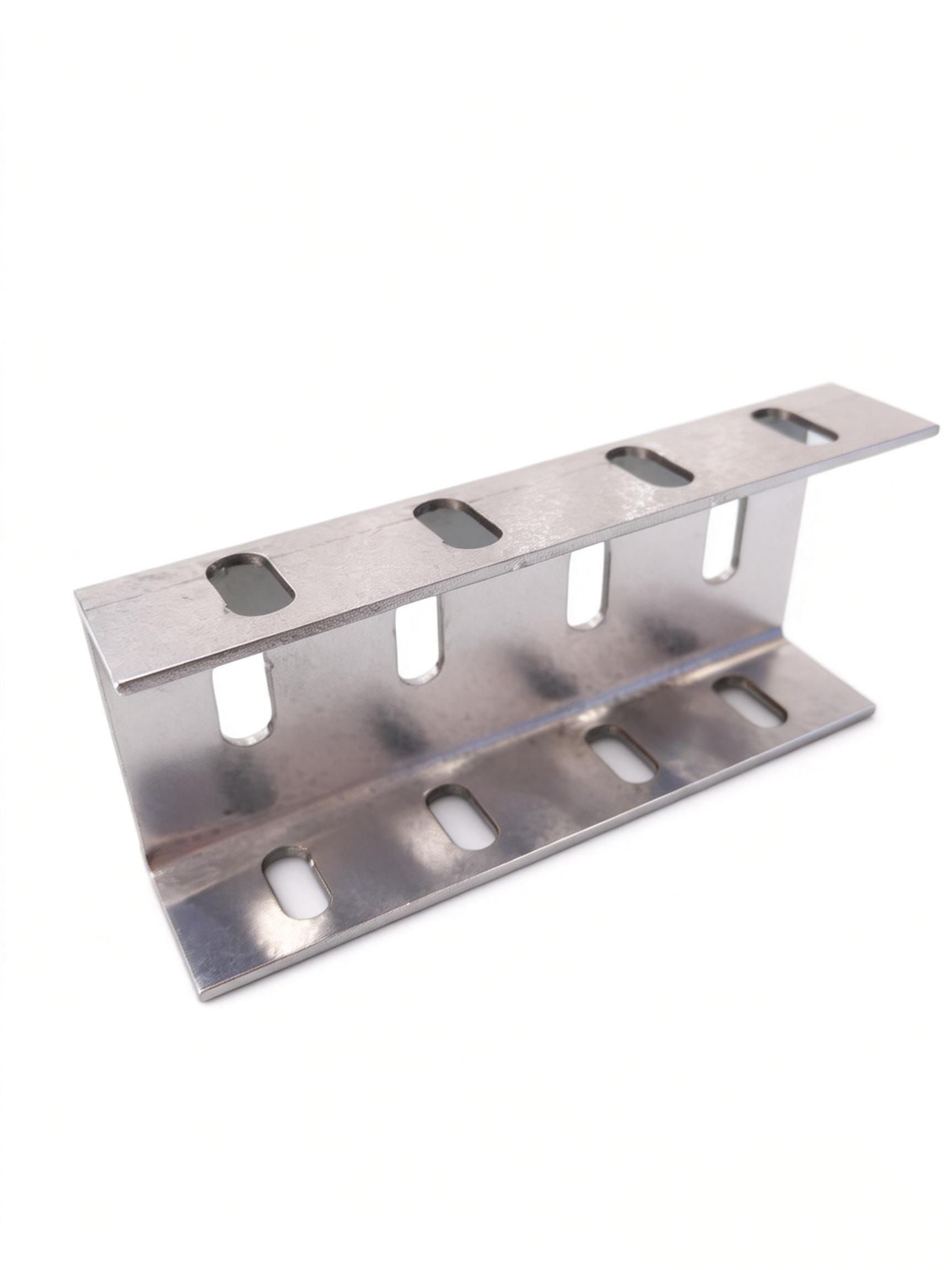
Durability isn't just about using tough materials; it's about tailoring your approach to fit the specific demands of each product or environment. By customizing techniques like material selection, surface treatments, and structural design, you can significantly enhance longevity in ways that off-the-shelf solutions often miss. Think of it as fine-tuning a machine for peak performance under stress rather than relying on brute force alone.
For instance, consider how adaptive coatings or composite layering can be adjusted based on real-world wear patterns. This personalized strategy allows items to withstand unique challenges, such as extreme temperatures or repetitive impacts, without compromising functionality. It's the difference between a generic fix and a crafted solution that evolves with use, making durability a dynamic attribute rather than a static feature.
Moreover, integrating feedback loops from user experiences into the customization process ensures continuous improvement in durability over time. By analyzing how products perform in diverse settings, developers can refine techniques to anticipate and mitigate potential failures, leading to more resilient outcomes that stand out in crowded markets.
Enhancing Solar Panel Efficiency through Steel Optimization
When we think about boosting solar panel performance, materials like silicon and glass often steal the spotlight. But what about the steel components holding it all together? By optimizing steel in frames and mounting systems, we can reduce overall weight and enhance durability against harsh weather, which indirectly supports better energy output over time. It's a subtle yet impactful tweak that keeps panels stable and efficient, especially in windy or snowy regions.
Beyond just structural support, fine-tuning steel alloys can lead to smarter designs. For instance, using corrosion-resistant steel ensures longer panel lifespans without frequent maintenance, while lightweight variants allow for easier installation and reduced shipping costs. This material innovation enables solar setups to adapt to diverse environments, from coastal areas to industrial rooftops, pushing the boundaries of reliability and cost-effectiveness.
Ultimately, steel optimization isn't a standalone fix but a key piece in the solar efficiency puzzle. Combined with advancements in photovoltaic cells and tracking systems, it helps create robust, long-lasting installations that maximize energy capture. This holistic approach might not make headlines, but it quietly drives real-world gains in sustainability, making solar power more accessible and resilient for the long haul.
Cost-Reduction Strategies in Material Production
In material production, cutting costs isn't just about slashing budgets; it's about smart, sustainable tweaks that boost efficiency without compromising quality. For instance, many manufacturers are now rethinking their supply chains by sourcing raw materials closer to production sites, which trims down on transportation expenses and reduces delivery delays. Additionally, adopting just-in-time inventory systems can minimize storage costs and prevent material wastage, allowing companies to respond more agilely to market demands.
Another effective approach involves leveraging advanced technologies like automation and machine learning to streamline production processes. By integrating smart sensors and predictive analytics, factories can optimize energy usage, reduce downtime, and enhance precision in material handling. This not only lowers operational costs but also extends the lifespan of equipment, making it a win-win for both the bottom line and environmental sustainability.
Beyond technology, fostering a culture of continuous improvement among employees can lead to significant cost savings. Encouraging teams to identify inefficiencies and experiment with alternative materials or processes often uncovers hidden opportunities for reduction. For example, switching to recycled or bio-based materials might lower procurement costs while aligning with eco-friendly initiatives, creating a competitive edge in today's conscious market.
Integrating Custom Steel with Modern Solar Technologies
Imagine a world where the sleek, durable nature of custom steel seamlessly merges with the innovative capabilities of modern solar technologies. This integration isn't just about adding solar panels to metal structures; it's a sophisticated fusion where steel is engineered specifically to enhance solar efficiency. By tailoring steel alloys and coatings, we can create surfaces that not only withstand harsh weather but also optimize light absorption, reducing glare and heat buildup that can diminish panel performance over time. This synergy opens up possibilities for architectural designs that are both aesthetically striking and highly functional, turning buildings into energy-generating assets.
One of the key advancements in this field involves using custom steel frameworks to support advanced solar systems like bifacial panels or thin-film technologies. Unlike standard materials, custom steel can be fabricated to precise dimensions, allowing for tighter integration that minimizes shading and maximizes exposure to sunlight throughout the day. For instance, in urban environments, steel facades can be designed with integrated photovoltaic cells, transforming skyscrapers into vertical solar farms. This approach not only boosts energy generation but also reduces the need for additional land, making it a sustainable solution for densely populated areas where space is at a premium.
Beyond structural support, custom steel plays a crucial role in thermal management within solar installations. By incorporating heat-dissipating properties into steel components, such as mounting racks or enclosures, we can prevent overheating that often plagues solar arrays in hot climates. This extends the lifespan of solar panels and maintains their efficiency, leading to more reliable energy output. As renewable energy demand grows, the marriage of custom steel with cutting-edge solar tech offers a resilient, cost-effective path forward, pushing the boundaries of what's possible in green infrastructure.
Future Trends in Steel-Based Solar Innovations
Steel-based solar innovations are poised to redefine renewable energy landscapes with several emerging trends. One key direction involves the development of lightweight, high-strength steel alloys that enhance structural efficiency while reducing material costs, making solar installations more accessible. Additionally, advancements in corrosion-resistant coatings and smart integration techniques are enabling steel frameworks to last longer and adapt to diverse environmental conditions, from coastal areas to urban rooftops. These trends are driven by a push for sustainability, as steel's recyclability aligns with circular economy goals, minimizing waste in solar projects.
Another exciting trend is the integration of steel with bifacial solar panels and tracking systems, which maximizes energy capture by utilizing both sides of the panels and optimizing sun angles. This synergy not only boosts efficiency but also reduces the overall footprint of solar farms. Innovations in modular steel designs are facilitating quicker deployment and scalability, allowing for rapid expansion in both commercial and residential settings. Companies are also exploring steel-based solar canopies and building-integrated photovoltaics (BIPV), blending functionality with aesthetic appeal in architectural applications.
Looking ahead, research focuses on combining steel with emerging technologies like perovskite solar cells and energy storage solutions, creating hybrid systems that offer enhanced performance and reliability. With global investment in renewable infrastructure rising, steel's role in solar innovations is becoming more pivotal, promising durable, cost-effective solutions that support the transition to clean energy. This evolution marks a shift from traditional materials, positioning steel as a versatile backbone for future solar advancements.
FAQ
Custom S235JR steel offers enhanced durability and corrosion resistance, which are crucial for solar panel frames and mounting structures. Its tailored properties improve load-bearing capacity and longevity in harsh environmental conditions, reducing maintenance costs over time.
By providing a robust and lightweight support structure, S235JR steel minimizes energy losses and ensures optimal panel alignment for maximum sunlight exposure. This leads to improved energy output and overall system performance.
Manufacturers can adjust the steel's composition for better weldability, formability, and strength-to-weight ratio. Custom coatings and finishes are also applied to enhance weather resistance and aesthetic integration with solar installations.
Its affordability and ease of fabrication lower manufacturing expenses, while its durability reduces replacement and repair needs. This makes solar systems more accessible and economically viable for widespread adoption.
S235JR steel is often made from recycled materials and is fully recyclable, aligning with green energy goals. Its long lifespan minimizes waste and environmental footprint, supporting a circular economy in renewable energy sectors.
Ensuring consistent quality and performance requires precise control during steel production and fabrication. Compatibility with other materials and adherence to industry standards must be maintained to avoid structural issues.
Yes, in projects like large-scale solar farms, custom S235JR frames have demonstrated increased resistance to wind and snow loads, leading to higher reliability and extended operational life compared to standard materials.
Advances may include smart coatings with self-cleaning or anti-reflective properties, and further optimization for use in emerging solar technologies like bifacial panels or floating solar arrays, enhancing versatility and efficiency.
Conclusion
Custom S235JR steel plays a crucial role in optimizing solar manufacturing by enhancing structural durability and performance. Its application in solar panel frames and mounting systems ensures improved resistance to environmental stressors, such as corrosion and mechanical loads, which directly contributes to longer lifespan and reliability in diverse climates. By tailoring steel properties through advanced customization techniques, manufacturers can achieve precise strength-to-weight ratios, reducing material usage while maintaining essential support functions. This strategic material selection not only bolsters solar panel efficiency by minimizing energy losses due to structural inefficiencies but also aligns with cost-reduction strategies, as optimized production processes lower overall expenditure. Integrating these custom steel solutions with modern solar technologies, like bifacial modules and tracking systems, enables seamless compatibility and maximizes energy capture. Looking ahead, future trends in steel-based solar innovations are set to drive further advancements, focusing on lightweight composites and smart material integration to support the growing demands of renewable energy infrastructure.
Contact Us
Contact Person: Simon
Email: [email protected]
Tel/WhatsApp: 8613672181100
Website: https://energetsolar.com/