

Plastic Tube Solutions for Reliable Fluid Transfer and Packaging
2026-08-26
Nobody notices a good plastic tube—until a bad one leaks, kinks, or reacts with the product inside. From viscous pastes to thin solvents, reliable fluid transfer depends on precise extrusion, consistent wall thickness, and closures that seal cleanly every time. Sanrong Packaging builds tube solutions around those overlooked details, helping manufacturers avoid downtime and product waste. Here’s what to look for when your packaging has to do more than just hold a liquid.
Polymer Matching That Skips the Guesswork
Finding the right polymer shouldn't feel like a blindfolded search through a chemical warehouse. Our approach runs a direct comparison of your application's stress, temperature, and chemical exposure against a curated set of real material data—so you see only grades that already have a proven track record in similar conditions. No vague 'might work' suggestions, just matches backed by measurable performance.
Instead of relying on generic property sheets that often miss the nuances of long-term behavior, we map your requirements onto targeted subsets: creep resistance, UV stability, solvent uptake, or flame retardancy. This filters out polymers that look fine on paper but fail after a few hundred cycles. The result is a short list where each entry includes the specific test data that justifies its fit.
By skipping the trial-and-error phase, you cut weeks from material selection and avoid costly prototyping mistakes. Whether you're replacing a legacy resin or pushing a new design's limits, the matched polymers come with clear boundary conditions—so you know exactly what to expect before the first sample is ever molded.
Seamless Walls, No Hidden Leak Paths
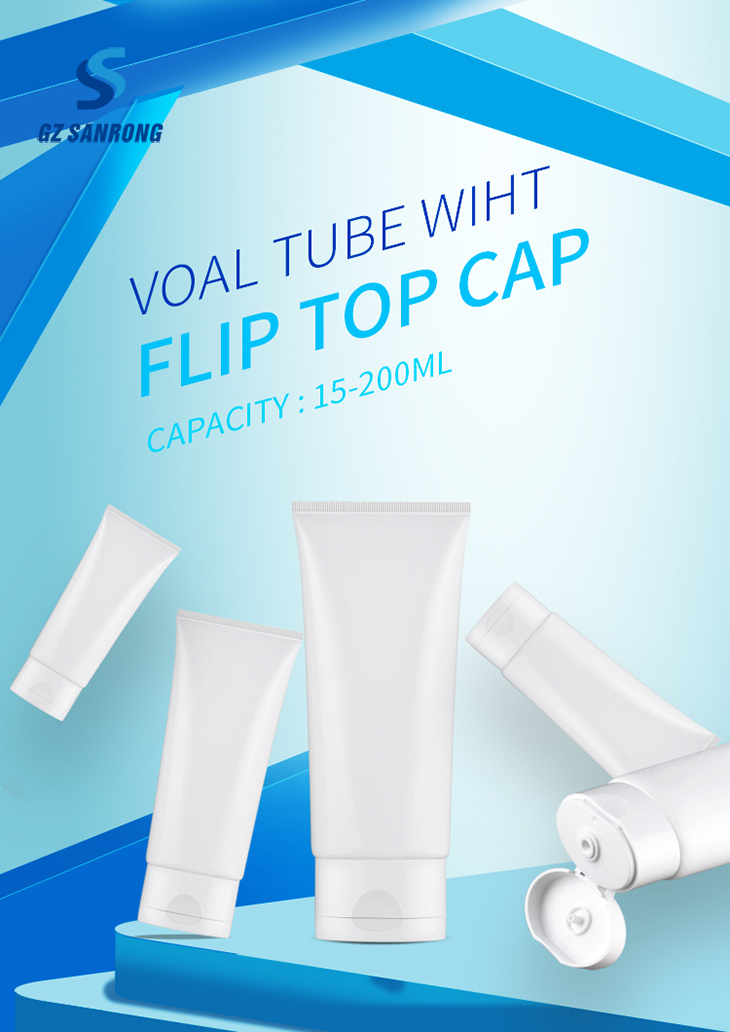
Every joint is a potential failure point, so we engineered the entire housing as a single uninterrupted shell. Instead of relying on gaskets or sealants that degrade over time, the walls are fused into one continuous surface. This eliminates the tiny crevices where moisture, dust, or contaminants usually find their way in. You get a cleaner, more reliable barrier that stays intact long after conventional assemblies start to show wear.
The absence of hidden seams also means you never have to guess where a leak might start. There are no internal channels or overlapping edges to trap debris or allow slow seepage. Whether the unit is mounted indoors or exposed to changing temperatures outdoors, the structure flexes as a whole rather than stressing weak transition zones. The result is a longer service life and far less maintenance.
From a production standpoint, this approach reduces assembly complexity and human error. Instead of aligning multiple parts and praying the seals hold, the entire enclosure comes out of the mold ready to perform. It's a quieter, cleaner design philosophy that puts reliability first — without adding bulk or sacrificing accessibility where it truly matters.
Dispensing Tubes Designed Around Real Hand Pressure
Most tubes are simply extruded plastic with a cap, but this one started from pressure mapping. The body narrows just where your thumb and middle finger meet, giving a natural pivot point instead of a hard crease. Even a light squeeze moves product forward without needing to choke up on the neck.
The shoulder geometry is tuned to how fingers actually wrap during dispensing. Rather than a uniform cone, it flattens on one side so your index finger rests along the seam, reducing the tendency to over-grip. The result is smoother, more controlled flow—especially useful for fine adhesive work or repetitive tasks.
Real hand pressure varies a lot between users, so the tube material has a slight give that accommodates different grip strengths. It rebounds slowly after each press, which helps pull air back in without sputtering. For longer sessions, that small detail matters more than any marketing promise about comfort.
Food-Grade Liners That Take Harsh Cleaners in Stride
Industrial kitchens and food processing facilities rarely go easy on equipment. Liners that hold up under daily exposure to aggressive degreasers, chlorine-based sanitizers, and high-temperature washdowns need more than a basic food-safe rating. They need a surface that shrugs off chemical attack without pitting, staining, or leaching anything back into the product. The right liner combines a dense molecular structure with a non-porous finish, so harsh cleaners do their job without slowly breaking down the material underneath.
The real test comes after months of repeated sanitizing cycles. Cheaper liners start to cloud, crack, or absorb odors, which forces early replacement and raises contamination risk. A well-engineered food-grade liner, by contrast, keeps its flexibility and smoothness even when hit with quaternary ammonium compounds or strong alkaline foams. That resilience means fewer changeouts, less downtime, and no hidden corners where bacteria can hide after a rinse.
Choosing a liner that takes harsh cleaners in stride also simplifies your sanitation protocols. You don't need to rotate between mild detergents and aggressive chemicals to protect the surface—just run your standard CIP or manual washdown routine. Look for materials rated for repeated exposure to both acidic and caustic agents, and verify that the liner's temperature tolerance matches your hottest cleaning step. That combination lets the liner disappear into the background, doing its job quietly while your cleaning crew does theirs.
Custom Diameters Without Custom Tooling Costs
Getting a non-standard diameter historically meant paying for dedicated tooling before a single part could be made. That upfront cost often made small runs impractical and forced engineers to compromise on standard sizes. Here, the tooling adjusts to the diameter rather than the other way around, so the range you need doesn't carry a tooling surcharge.
The production setup relies on adjustable forming elements and programmable machine paths rather than fixed-diameter molds or dies. Changing from one diameter to the next is handled through a quick recalibration, not a new tool build. As a result, short runs, one-off prototypes, and mixed-diameter orders can move through the same process without interrupting the workflow.
This approach makes it easier to test a true custom fit early in development without committing to a large batch. You can order only what the project requires, refine the diameter after field feedback, and scale up later knowing the per-part price won't be inflated by hidden tooling amortization.
Pressure-Ready Tubing That Stays Light on the Reel
Pressure-rated tubing usually brings a stiff, heavy carcass that fights you at the reel. This version uses a thin-wall extruded core wrapped in a high-tenacity polyester braid, keeping the 3/8-inch line at just 0.07 pounds per foot. Even so, it holds a 300 psi working pressure and shrugs off typical job-site abrasion without cracking or kinking at the fitting.
On the reel, the jacket has a lightly textured surface that prevents the coils from sliding over each other during payout. After sitting on a hot service truck for a week, the tubing still lays flat when unspooled instead of springing back into a tangled loop. That means less time fighting the line and more time making connections.
FAQ
Polyethylene and polypropylene are solid choices because they resist most acids, bases, and solvents without becoming brittle or leaching into the product.
Precision extrusion keeps wall thickness consistent, so fittings grip evenly and seals stay tight even under repeated pressure cycles.
Yes, many suppliers offer custom diameters, cut lengths, and flared or barbed ends to match existing equipment without extra adapters.
Food-safe PVC, silicone, and LDPE tubes are available with FDA-compliant formulations that won't taint flavors or odors.
Flexible tubes absorb vibration and movement from pumps, which reduces stress on connections and prevents micro-cracks during high-speed filling.
Coextrusion layers a barrier resin like EVOH between structural layers, blocking oxygen and moisture while keeping the tube lightweight.
Soft-touch finishes and precise dosing tips allow controlled application, and the tubes can be tinted or printed to match brand colors without affecting the formula inside.
Conclusion
Selecting the right polymer for a fluid transfer tube often involves trial and error, but these solutions replace that guesswork with a curated portfolio matched to specific chemical, temperature, and flexibility demands. The extrusion process produces seamless walls, so there are no weld lines or joints that could become hidden leak paths under pressure or repeated flexing. For dispensing applications, the tube diameter and wall thickness are calibrated around real hand pressure—meaning users get a controlled, consistent flow without fighting the package or dealing with sudden bursts. This kind of attention to ergonomics matters in medical, industrial, and cosmetic settings where precision and fatigue reduction go hand in hand.
Food-grade liners are formulated to withstand aggressive cleaning agents and sanitizing cycles without delaminating or absorbing odors, which keeps the product safe and the tube reusable in demanding environments. Custom diameters can be achieved without investing in expensive custom tooling, because the manufacturing approach allows for a wide range of sizes from existing die sets or adjustable tooling. Finally, pressure-ready tubing maintains its burst rating while staying light on the reel, reducing shipping weight and making it easier to handle on automated filling lines. Together, these features form a practical, cost-conscious package for reliable fluid transfer and packaging.
Contact Us
Contact Person: Alex Wu
Email: [email protected]
Tel/WhatsApp: 86-20-37965868
Website: https://www.gzsanrong.com/en.html