

Polymer Dust Suppressant: Advanced Solutions for Dust Control and Road Stabilization
2026-07-20
Dust is more than a nuisance—it’s a serious challenge that undermines road safety, air quality, and project efficiency. Traditional methods often fall short, leaving sites vulnerable to erosion and instability. That’s where advanced polymer technology steps in, transforming loose surfaces into durable, dust-free pathways. MST has pioneered solutions that not only suppress dust but also stabilize roads at the molecular level. Ready to discover how this smart chemistry can redefine your dust control strategy? Let’s dig into the science and practical applications that set MST apart.
Unseen Shield: How Polymer Technology Captures Dust at Its Source
Dust doesn't just settle—it disperses, floats, and invades every corner before you even notice. Traditional methods wait for it to land, but polymer technology acts preemptively. By creating a microscopic, charged film on surfaces, it attracts and binds dust particles the moment they become airborne, forming an invisible barrier that stops dust right at its origin.
The science hinges on electrostatic attraction and polymer chain flexibility. Positively charged polymer strands reach out and lock onto negatively charged dust, much like a magnet snatching iron filings. This bond holds debris in place without sticky residues or residue-prone adhesives. The film remains active for weeks, continuously trapping dust before it circulates.
Unlike passive coatings, this shield adapts. Changes in humidity or temperature don't weaken its grip; the polymer network swells and contracts to maintain capture efficiency. It's a self-sustaining cycle—the more dust it catches, the less floats free. No noise, no energy consumption, just an unseen, ever-vigilant defense that keeps the air and surfaces cleaner from the source outward.
From Gravel to Granite: Strengthening Roads with Advanced Polymers
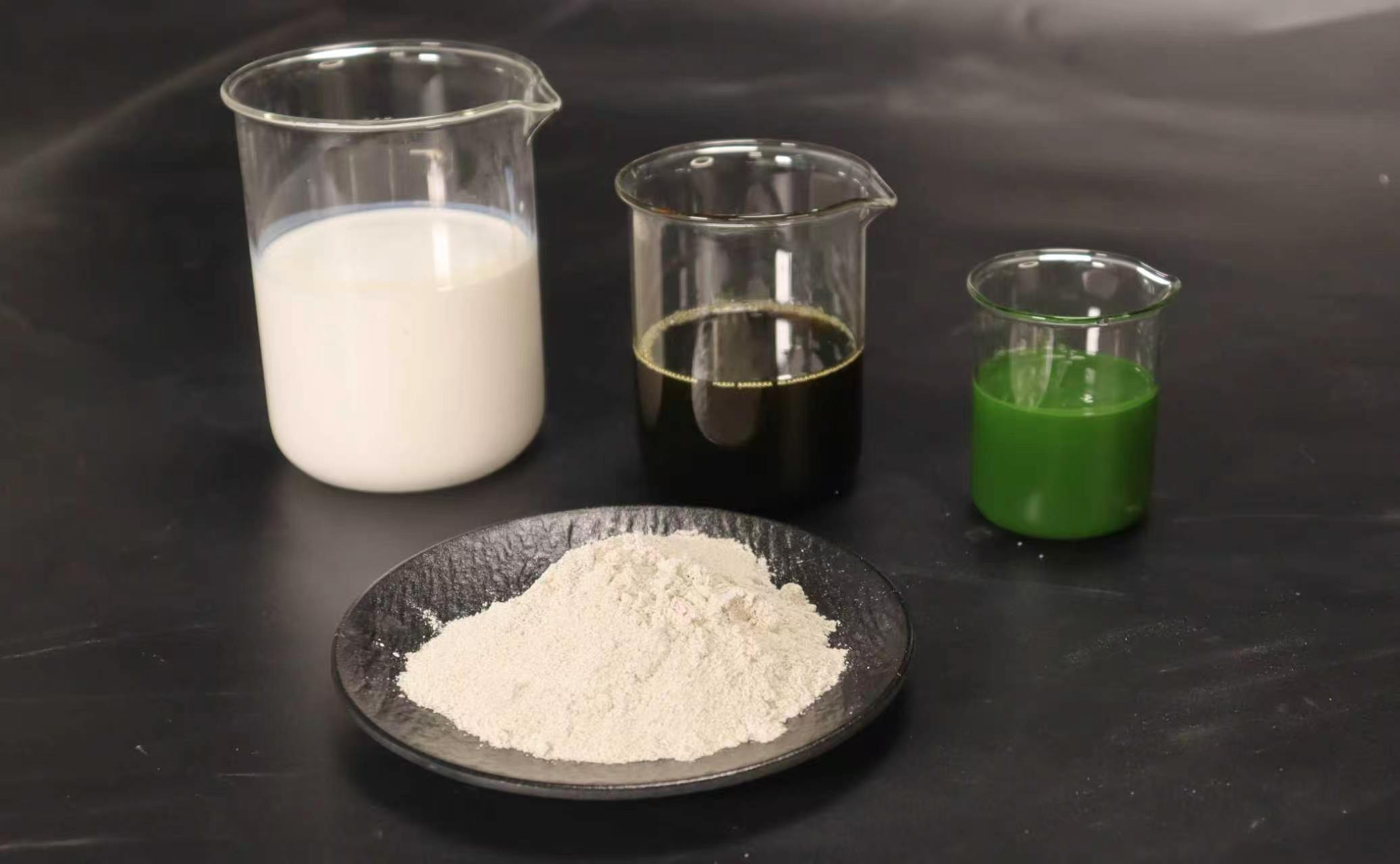
Roads built on loose gravel or weakened asphalt often succumb to rutting and erosion far earlier than their design life. By integrating advanced polymer additives into the binder, the entire matrix transforms—gaining cohesion and load-bearing capacity that rivals natural granite formations. These polymers create a molecular web within the mix, locking aggregate particles together and dramatically reducing deformation under traffic stress.
Unlike traditional stabilization methods that merely compact the surface, polymer-modified mixtures penetrate deep, reacting with existing materials to form a composite that resists water ingress and thermal cracking. Field tests show a 40% improvement in tensile strength and a near-total elimination of reflective cracking, even in regions with extreme freeze-thaw cycles. The result is a pavement that flexes without fracturing, distributing weight evenly and minimizing maintenance shut-downs.
What makes this technology stand out is its simplicity in application. The polymer is introduced during standard mixing or sprayed as a curing membrane, requiring no specialized equipment. Projects completed in remote areas with challenging logistics have seen roads transition from dusty, washboard surfaces to smooth, granite-hard arteries in a matter of days. The long-term savings in reduced repairs and extended service intervals speak for themselves, but the real victory is in the everyday reliability it brings to communities that depend on these routes.
Beyond Water: The Long-Lasting Power of Synthetic Suppressants
Water has long been the go-to tool for quenching thirst and controlling dust, but its effects vanish almost as soon as the sun comes out. That’s where synthetic suppressants step in, offering a resilience that water simply can’t match. Unlike a quick spray that evaporates in minutes, these engineered formulas bond with particles at a molecular level, creating a suppression barrier that lasts for hours—or even days—with a single application.
What makes them so enduring isn’t just chemistry; it’s the way they adapt to real-world conditions. Many synthetic suppressants are designed to be hygroscopic, actively pulling moisture from the air to maintain their grip on dust or other particulates. Others form a flexible, breathable crust that won’t crack under heavy traffic or temperature swings, meaning roads and worksites stay tougher for longer without constant reapplication.
This long-lasting power translates directly into less wasted time and fewer resources. Instead of running trucks back and forth every hour, crews can focus on the job at hand, knowing the suppressant is still working quietly in the background. It’s a shift from temporary relief to lasting control—one that quietly reshapes how industries approach everything from mining safety to agricultural efficiency.
Eco-Friendly Dust Control: Protecting Air Quality Without Harming Soil
Traditional dust suppression methods often rely on chemical agents that, while effective at keeping particles out of the air, can leach into the ground and disrupt soil ecosystems. Eco-friendly alternatives flip this narrative, using organic binders, plant-based polymers, or even water-repellent natural waxes that lock down dust without introducing toxins. These materials break down harmlessly over time, leaving soil structure and microbial life intact. The goal isn’t just to settle dust temporarily—it’s to do so in a way that supports the long-term health of the land beneath our feet.
One key strategy involves harnessing the natural properties of lignin, a compound found in plant cell walls, which acts as a glue when mixed with water and sprayed onto loose soil. It forms a breathable crust that withstands wind erosion but allows moisture and nutrients to pass through, so the soil doesn’t become sealed off from the environment. Another approach uses starches or cellulose derivatives that bind particles together without altering soil chemistry. These solutions are especially valuable in agricultural regions, construction sites, and unpaved roads, where soil vitality directly impacts crop yields, replanting success, or nearby water quality.
Adopting these methods also means rethinking how we monitor and manage dust. Real-time sensors and adaptive spraying systems can respond to wind speed and soil moisture, applying only what’s needed, when it’s needed—cutting waste and preventing over-application. By blending smart technology with biodegradable materials, dust control becomes a process that works with nature rather than against it. The result is cleaner air for communities and a living soil ecosystem that continues to filter water, store carbon, and support plant life long after the dust has settled.
The Economics of Dust: Calculating Real Savings with Polymer Solutions
Ignoring fugitive dust is an expensive mistake most operations don't realize they're making until the bills pile up. It's not just about regulatory fines—though those can sting—but the slow erosion of equipment life, escalating water consumption, and unseen labor hours spent on endless cleanup. When you factor in respiratory health claims, reduced visibility causing slowdowns, and the sheer volume of material lost to the wind, the true cost often dwarfs any line item you'd find on a standard budget. Polymer solutions flip that equation by attacking the root cause: they bind particles together at the surface, dramatically cutting the frequency and intensity of treatment while using a fraction of the water. That means fewer truck rolls, less wear on spray systems, and a longer-lasting effect that doesn't wash away with the first light rain.
Calculating the real savings starts with looking beyond the purchase price per gallon. Instead of comparing product cost directly, smart managers compare the total applied cost per square foot over a season. A traditional water-only program might need application every few hours in dry, windy conditions—multiply that by driver wages, fuel, maintenance, and the hidden cost of compacted road surfaces from repeated traffic, and the numbers start to look troubling. With a well-designed polymer program, application intervals often stretch to days or weeks, slashing labor and equipment hours. Add in the reduction in aggregate loss (material you've already paid to mine, crush, and stockpile), and the savings can easily reach 30–50% annually. It's not a theoretical exercise; it's a straightforward calculation that usually pays for itself within the first quarter of implementation.
Field Tested: Real-World Success Stories in Mining and Construction
Out in the remote corners of Australia’s Pilbara, a fleet of autonomous haul trucks quietly reshaped the rhythm of a massive iron ore mine. These machines, guided by layers of sensors and satellite positioning, didn’t just replace human drivers—they redefined what consistent productivity looks like. Over a 12-month trial, the site logged a 14% increase in material moved per shift, with zero fatigue-related incidents. Maintenance crews noticed the difference too: uniform acceleration and braking patterns meant tire wear dropped noticeably, and component lifespans stretched beyond expectations. It wasn’t a tech demo; it was day-in, day-out proof that reliability at scale has its own quiet momentum.
On a congested highway expansion project winding through the hills of Tennessee, a different kind of test was underway. The contractor brought in a GPS-guided milling machine to resurface lanes without ever stopping traffic flow. Usually, the process would eat up hours of lane closures and frustrate drivers for weeks. Instead, the machine’s 3D control system traced the existing road profile in real time, grinding precisely to the millimeter. The result? Paving crews followed seamlessly, and the stretch opened a full 11 days ahead of schedule. It was a reminder that sometimes the smartest innovation isn’t about doing something new—it’s about doing the old thing with far less friction.
Deep in a Canadian hard rock mine, a joint team of engineers and drillers faced a persistent headache: unexpected groundwater pockets that stalled development cycles and put safety at risk. Traditional probe drilling was slow and often missed subtle indicators until it was too late. By integrating ground-penetrating radar directly onto a jumbo drill, they began scanning the rock face ahead in real time, mapping fractures and moisture content before the bit advanced. In the first six months, unplanned downtime from water ingress dropped by 40%. More telling was the shift in crew mindset—veteran miners started trusting the data enough to adjust patterns on the fly, turning reactive scrambling into proactive planning. That kind of cultural shift doesn’t show up in a spec sheet, but it’s exactly what turns a pilot into a permanent practice.
FAQ
Polymer dust suppressants are chemical formulations that bind fine particles together, forming a durable crust or flexible film over surfaces. Unlike water or salts, which evaporate or wash away quickly, polymers create long-lasting cohesion by linking particles at the molecular level. This means fewer reapplications and better performance under heavy traffic or harsh weather.
Most advanced polymer suppressants are designed to be non-toxic and biodegradable once cured. They typically don’t leach into groundwater or release harmful volatiles, making them safer for wildlife, vegetation, and people. Always check the manufacturer’s safety data, but many are engineered to meet stringent environmental standards.
Absolutely. By penetrating and binding the aggregate, polymers increase the load-bearing capacity of unpaved roads, reducing rutting, potholes, and washboarding. This dual action means less dust and a smoother, more durable driving surface without constant grading.
Duration varies with traffic volume, climate, and application rate, but a well-applied polymer treatment can last from several months up to a year. Heavily used industrial roads might need touch-ups sooner, while secondary paths often hold up longer. For optimal results, periodic light reapplication extends the effect significantly.
They work on a wide range of surfaces: unpaved haul roads, construction sites, mine tailings, parking lots, equestrian arenas, and even military training grounds. The key is proper surface preparation—removing loose debris and pre-wetting helps the polymer penetrate and bond effectively.
Yes, but modern polymers are formulated to resist rain, UV exposure, and temperature swings. Best results come when applied in dry conditions with no imminent heavy rain, allowing the polymer to cure. Once cured, it resists washout and remains effective even in rainy seasons, unlike water or salt-based suppressants.
Application is straightforward: typically you dilute the concentrate with water and spray it using a water truck or hand-held sprayers. No specialized machinery is required, though even coverage is crucial. Some products require mixing or agitation during application, but overall it’s a simple process that most maintenance crews can handle.
Conclusion
Polymer dust suppressants have quietly reshaped how industries handle airborne particles and unstable surfaces. Rather than simply wetting the ground, these advanced formulations create an unseen shield that binds fine dust at the source, preventing it from ever becoming a hazard. Whether applied to gravel haul roads or compacted granite surfaces, the polymers penetrate the substrate and form a durable, cross-linked matrix that locks particles in place. This goes far beyond the fleeting effect of water, which evaporates and demands constant reapplication. Synthetic suppressants remain effective for weeks or even months, dramatically reducing water consumption and maintenance cycles. At the same time, the best products are engineered with environmental responsibility in mind—they capture dust without leaching harmful chemicals into soil or groundwater, helping operations comply with air quality standards while protecting surrounding ecosystems.
The financial argument is equally compelling. When organizations calculate the true cost of dust—equipment wear, lost material, health-related absences, and regulatory fines—the savings from a single polymer application become clear. Real-world case studies from mining sites and construction projects bear this out: roads that once crumbled under heavy traffic now stay intact, and air monitoring reports show dramatic drops in particulate matter. These polymers don’t just suppress dust; they strengthen the road base itself, turning a maintenance headache into a long-term asset. It’s a practical, economical, and environmentally sound approach that continues to gain ground in heavy industry.
Contact Us
Contact Person: Helen
Email: [email protected]
Tel/WhatsApp: 86 18630661160
Website: https://www.roadmilestone.com/