

Professional Auto Flavoring Machine: Revolutionizing Taste in Food Manufacturing
2026-06-03
Imagine a world where every snack delivers the perfect burst of flavor, batch after batch, without the slightest inconsistency. In food manufacturing, achieving that flawless taste at scale has always been a challenge—until now. Enter the professional auto flavoring machine, a game-changer that’s reshaping production lines and redefining quality standards. At the forefront of this revolution is MINGDE, with innovations that turn precise seasoning into an effortless, automated art. Curious how this technology can elevate your products? Let’s explore the mechanics behind the magic.
Precision Flavor Control at Scale
Achieving consistency across thousands of gallons or millions of units isn't just about scaling a recipe—it's about dissecting flavor into measurable, controllable variables. We treat taste as a data problem, analyzing volatile compounds, pH shifts, and mouthfeel contributors at every stage. From raw ingredient profiling to real-time inline sensors, each batch is held to a fingerprint-like standard. Adjustments are automated, but human sensory panels still validate the final output, blending science with the irreplaceable nuance of human perception.
The real challenge emerges when slight deviations in sourcing or processing threaten to drift the profile. Our response blends predictive modeling with micro-dosing technology. By mapping how terroir, seasonal variation, or even equipment wear affects key aroma molecules, we pre-calculate compensation strategies. Tiny, pulse-controlled additions of natural extracts or modulating process parameters keep the taste locked, whether we're producing in one facility or across continents.
What sets this apart is the closed-loop feedback between consumer preference data and production. Sensory analytics from target markets feed directly into the control algorithms, allowing subtle regional adaptations without losing brand identity. It’s not just about making the same product everywhere—it’s about making the right experience everywhere, precisely calibrated and reliably repeated at any volume.
How Automation Redefines Consistency
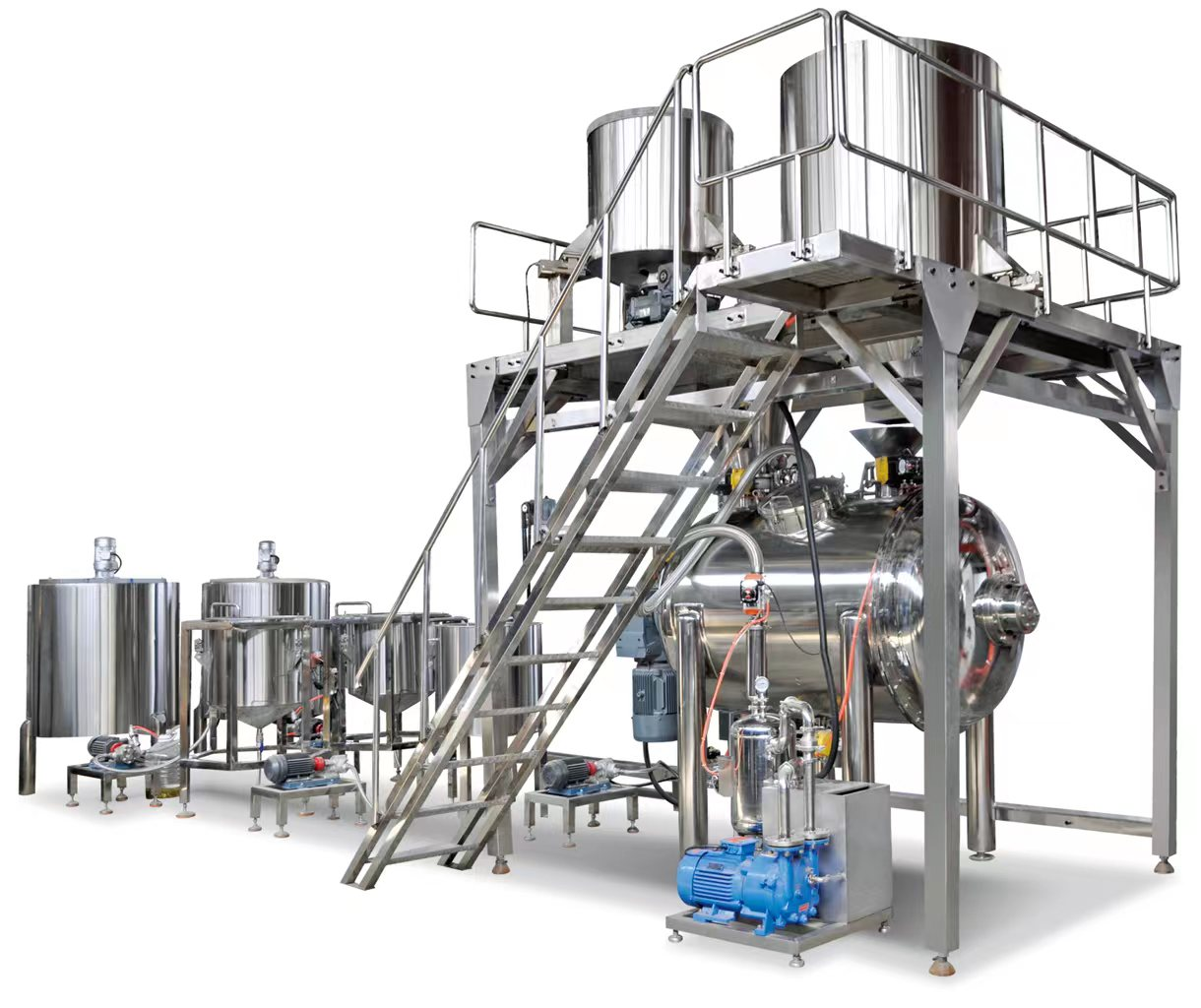
Automation steps in where human effort wavers, turning repetitive tasks into sequences of unwavering precision. It doesn't just follow instructions—it executes them identically every single time, without the drift that comes from fatigue, distraction, or subjective judgment. This isn't about removing people from the equation; it's about letting them focus on the work that actually benefits from a human touch, while the machine handles the repetition with a steadiness no person could sustain over hours or days.
What consistency really means shifts when automation enters the picture. It's no longer about checking over someone's shoulder or hoping they follow the process the same way at 4 p.m. as they did at 9 a.m. Instead, it becomes something baked into the system itself—an output that matches a standard so closely you could overlay two instances and struggle to find a difference. This kind of reliability changes how teams operate: they stop worrying about variance and start trusting that the baseline is always met.
Over time, this relentless consistency creates a foundation that's hard to build otherwise. When every step happens exactly as intended, errors drop not because someone caught them, but because they never occurred in the first place. The result is a quiet confidence running through the entire operation—customers get what they expect, internal benchmarks hold steady, and the chaos of unpredictable output fades into the background, replaced by a rhythm that just works.
Beyond Manual Mixing: Speed and Hygiene
Time is the one ingredient you can’t afford to waste, whether you’re running a bustling bakery or preparing dough at home. Manual mixing demands not just effort but patience, as you struggle to achieve consistent hydration and gluten development. A dedicated dough mixer slashes preparation time dramatically, turning what used to be a half-hour chore into a matter of minutes. The steady, optimized motion of a mechanical arm or spiral hook ensures every particle of flour is hydrated evenly, eliminating dry pockets and reducing the need for repeated hand-kneading. What’s more, the speed doesn’t come at the cost of quality—automated programs can mimic the gentle touch of a skilled baker, preserving the delicate structure that gives bread its airy crumb and chewy crust.
Hygiene is another quiet advantage that often goes unnoticed. When you knead by hand, bacterial transfer from skin, under nails, or even from a hastily wiped countertop is an ever-present risk. An enclosed mixing bowl with a splash guard creates a barrier that keeps the dough protected from airborne contaminants and unintended contact. Cleanup becomes simpler, too: because the dough stays inside one vessel from start to finish, there’s less surface area to sanitize. Models with detachable components that are dishwasher-safe make the process even more effortless, helping you maintain a pristine workspace without cutting into your schedule.
Beyond the practicalities, there’s a sensory reward: the machine’s hum replaces the clatter of hand-scraping and slapping, letting you focus on the recipe’s next step or simply enjoy the aroma of yeast awakening. By removing the physical grind, the mixer invites more creativity and consistency into your baking. You’ll find yourself experimenting with higher-hydration doughs or enriched breads that would be exhausting to handle manually, all while knowing the results will be reliably clean and remarkably swift.
Custom Recipes, Zero Waste
Ever opened your fridge to find wilting vegetables and half-empty jars staring back? Custom recipes flip that script. Instead of starting with a recipe and hunting down ingredients, you begin with what you already have. Toss in that leftover quinoa, the single carrot, the handful of herbs, and the system spins them into something you actually want to eat. No more guilt, no more trash—just a meal that makes use of everything.
The real magic happens when the recipes learn your tastes. Not just "chicken or fish," but the spices you reach for, the textures you crave, the cuisines that make you grab seconds. Over time, suggestions become eerily spot-on, and suddenly your kitchen waste plummets because every ingredient has a purpose that aligns with what you love. It's cooking without the chore of decision fatigue.
And zero waste isn't a side effect—it's the whole point. These aren't recipes that demand you buy more; they're designed to empty your pantry before anything goes bad. That lone beet at the back of the drawer? It becomes part of a vibrant salad instead of next week's compost. When recipes adapt to what's on hand, you stop treating food like a disposable resource and start seeing every scrap as potential.
Integrating Smart Tech into Flavor Systems
The convergence of sensory science and digital innovation is reshaping how we design and experience flavor. By embedding sensors and machine learning algorithms directly into production lines, flavor systems can now self-adjust in real time, responding to subtle shifts in raw material quality or environmental conditions. This adaptive approach moves beyond rigid recipes, allowing for dynamic tuning of taste profiles that feel less engineered and more intuitively aligned with changing consumer moods and seasonal ingredients.
Beyond the factory floor, smart tech infiltrates the kitchen and the bar, where connected devices and augmented reality interfaces guide both professionals and home cooks. Imagine a countertop appliance that analyzes a dish mid-preparation and suggests micro-adjustments to acidity or umami depth, referencing a vast database of flavor pairings without ever making the process feel robotic. These tools democratize the nuanced craft of flavor balancing, turning high-end culinary techniques into accessible, playful experiences that still leave room for human instinct and surprise.
Perhaps the most intimate frontier lies in personalized flavor profiling, where wearable tech and biometric feedback unlock the unique taste preferences coded into our physiology. A system that interprets real-time data—from saliva composition to heart rate variability—can craft bespoke blends that not only delight the palate but also serve nutritional or emotional needs. This symbiosis of biology and circuitry transforms flavor from a passive sensory input into an interactive dialogue, making each sip or bite a tailored moment of discovery rather than a standardized product.
Real-World Impact on Production Lines
On the factory floor, the shift was almost imperceptible at first. Operators accustomed to manual adjustments found the new adaptive control system quietly taking over micro-corrections on the fly. Within weeks, the line that once stumbled through changeovers began to flow with a rhythm no one had seen in years. The real-world impact wasn't a headline—it was the absence of late-night callouts and the steady hum of machines running within tolerances that used to drift.
Beyond uptime, the ripple effects hit the warehouse hard—in a good way. With real-time defect detection catching flaws before they cascaded, rework stations that once buzzed with activity went quiet. This freed up floor space and let the team redirect skilled labor to bottleneck areas. The production manager stopped talking about throughput targets and started tracking how many Fridays the line wrapped up early, a metric that mattered far more to the people who lived it.
Perhaps the most telling change landed in the planning office. Demand volatility had always meant either idle lines or overtime chaos, but the flexible cell layout and predictive scheduling turned that on its head. A sudden order for a low-volume variant no longer sent shockwaves through the schedule; the line simply reconfigured and kept moving. It transformed production from a rigid sequence into something that breathed with the business, making the plant a genuine competitive asset rather than just a cost center.
FAQ
A professional auto flavoring machine automates the precise application of seasonings, coatings, and liquid flavors onto food products as they move through the production line. It replaces inconsistent manual methods with programmable accuracy, fundamentally changing how manufacturers achieve repeatable taste profiles at scale. This shift means fewer human errors, reduced ingredient waste, and the ability to quickly switch between recipes—all while maintaining the exact flavor intensity customers expect.
The system uses a combination of tumble drums, spray nozzles, and vibration control that matches the fragility of each product. Instead of drenching or aggressively tumbling items, it creates a gentle curtain of flavoring that coats surfaces uniformly as product flows through at an adjustable speed. Sensors monitor the flow rate and automatically adjust spray patterns to maintain consistency even if the production line speeds up or slows down.
The machine connects to a centralized control panel where operators store hundreds of recipes with exact parameters: seasoning density, tumbling RPM, air temperature for adhesion, and spray pressure. When a new batch is needed, the changeover takes minutes rather than hours. Some models even integrate with upstream systems, so when a different product variant is detected on the conveyor, the machine automatically loads the corresponding flavor profile without manual input.
Yes, well-engineered units feature separate delivery paths for dry and liquid applications, along with quick-release components that allow thorough cleaning between runs. Many employ a purge cycle and dedicated drainage design that prevents residue buildup. For allergen management, the stainless-steel contact surfaces and disassembly options let sanitation teams verify cleanliness visually and with swab tests, making it suitable for facilities running multiple flavor lines.
By applying flavoring with precision down to a fraction of a gram, manufacturers report cutting seasoning waste by 15% to 30%. The enclosed design also prevents fine particles from becoming airborne dust, which not only saves material but reduces cleanup time and respiratory risks for workers. Over time, the data logging helps fine-tune recipes to use the minimum effective amount of expensive ingredients, which directly improves margins.
Most modern auto flavoring machines are designed with modular footprints that slot between existing conveyors and packaging units. They often require only standard utility connections—power, compressed air, and sometimes a water line for cleaning—and can be up and running within a couple of days with vendor support. Communication protocols like EtherNet/IP allow them to sync with legacy PLCs, so the line doesn't need a complete overhaul.
Focus on build quality: heavy-duty stainless steel, brushless motors, and sealed bearings that can withstand washdowns. Also check the manufacturer’s service network, availability of critical spares, and whether the controls offer remote diagnostics. Reliability often comes from thoughtful details like angled surfaces that drain liquids rather than pool them, and wear-resistant coatings on parts that contact abrasive seasonings. A strong warranty and a track record in your specific segment—whether it's baked goods, extruded snacks, or frozen foods—are good indicators of long-term dependability.
Conclusion
In modern food manufacturing, the professional auto flavoring machine is transforming how taste is engineered, moving far beyond the limitations of manual blending. Precision flavor control at scale has become a reality, where micro-dosing pumps and sensor-driven feedback loops ensure that every drop of seasoning aligns perfectly with recipe specifications—even across high-speed production lines. This shift eliminates the variability inherent in human handling, and automation redefines consistency by locking in flavor profiles batch after batch. Gone are the days of subjective adjustments; the machine’s algorithms adjust for factors like viscosity and temperature in real time, making each product indistinguishable from the last. Alongside consistency, speed and hygiene leap forward: enclosed, self-cleaning systems slash cross-contamination risks and minimize downtime, boosting throughput while meeting stricter safety standards.
The impact stretches into recipe flexibility and waste reduction, directly addressing industry demands for custom recipes with zero waste. Operators can now switch between complex flavor blends on the fly without purging lines, relying on the machine’s ability to precisely meter ingredients down to the gram. This not only cuts raw material loss but also enables rapid product development cycles. Integrating smart tech into flavor systems further amplifies these gains—IoT connectivity allows for remote monitoring, predictive maintenance, and seamless data logging, turning the flavoring station into a hub of operational intelligence. On the production floor, the real-world impact is undeniable: shorter changeover times, elevated product quality, and a leaner, more agile manufacturing process. Ultimately, this technology isn’t just about adding taste; it’s about reimagining the entire flavor supply chain as a competitive advantage.
Contact Us
Contact Person: LILY SUN
Email: [email protected]
Tel/WhatsApp: 0086-13969103791
Website: https://www.snackfoodmachinery.com/