

Siemens Reducers Vendor Guide for Reliable Industrial Supply Choices
2026-11-16
Finding a dependable Siemens reducer vendor shouldn't feel like guesswork. Between fluctuating lead times, counterfeit parts, and vendors that overpromise on compatibility, procurement teams need more than a brochure—they need a practical guide. That's exactly what this post delivers. We'll walk through the supply chain signals that separate reliable industrial partners from costly mistakes, and show why teams increasingly cross-check Siemens options with Soochee before committing.
Matching Siemens Reducer Series to Actual Load Profiles
Selecting a Siemens reducer isn't just about matching horsepower or frame size—it starts with understanding how the load actually behaves over time. Real-world duty cycles rarely follow a smooth, constant curve. Instead, they involve frequent starts, abrupt stops, intermittent peak torques, and prolonged low-load phases. By mapping the operational profile—including acceleration ramps, deceleration forces, and idle periods—engineers can identify which Siemens series fits without over-engineering or under-sizing. For instance, a conveyor with steady material flow may suit a standard helical unit, while a crane hoist with shock loads and reversing motion demands a model rated for higher service factors and thermal capacity.
The next step is to correlate the load profile with specific reducer characteristics: output torque, radial and axial load limits, backlash, and efficiency under partial load. Siemens offers distinct families—such as the F-Series parallel shaft, K-Series bevel, and S-Series helical-worm—each with differing strengths. A low-backlash planetary unit might be necessary for precision indexing, whereas a high-efficiency bevel-helical design could be better for continuous operation where energy consumption adds up. Comparing the load histogram against the thermal limit curves of each series helps avoid premature wear from overheating, especially in applications with frequent cycling but low average torque.
Finally, actual load data should inform not just the initial selection but also the service life prediction and maintenance planning. Recording real torque and speed data from a prototype or similar existing system allows for calculating equivalent bearing loads and gear tooth stresses. Siemens provides software tools that accept logged time-series data and suggest the most economical series that meets the duty cycle—without relying on generic “safety factor” guesswork. This approach reduces the risk of field failures from underestimated peak loads or wasted investment in an oversized reducer that never operates in its efficient range.
Reading Past Vendor Claims on Gearbox Service Life
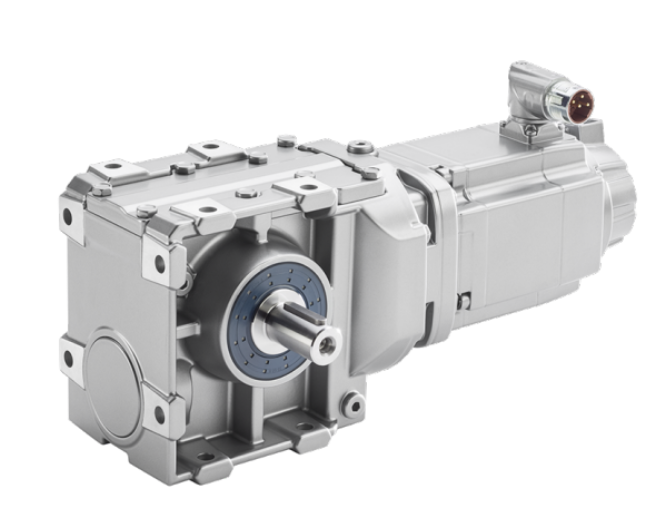
A shiny brochure promising "100,000-hour gearbox life" can feel reassuring, but that figure rarely survives contact with a real application. Vendor ratings often assume a perfectly aligned drivetrain, a steady load at nominal torque, and oil temperatures that never spike. When you dig into the fine print, you may find the advertised life is calculated from bearing L10 fatigue under ideal laboratory conditions—not from field data on how the entire gearbox behaves when shafts deflect, filters clog, or operators push past rated duty cycles.
The real value comes from asking uncomfortable questions before the purchase order is signed. How was the service life number derived? Were full-load reversals, shock loads, or intermittent duty cycles included in the calculation? Does the vendor's definition of "life" mean the gear teeth will resist pitting for that long, or that the seals, breathers, and lubrication system will still be functional? Often the gearset itself might survive, but the first failure appears in a $40 lip seal that requires a complete teardown to replace—hardly what most operators picture when they hear "long service life."
Smart buyers treat vendor life claims as a starting point, not a guarantee. They request case studies from similar operating environments, ask for the assumed load spectrum and oil cleanliness class, and compare those assumptions against their own historical failure data. They also pay attention to how the vendor defines "failure"—whether it is tooth breakage, noise, vibration, or simply a drop in efficiency below a certain threshold. A gearbox that lasts 60,000 hours under laboratory-like conditions can easily become a 12,000-hour headache in a dusty, high-vibration mining conveyor, so reading past the marketing language is less about skepticism and more about survival.
How Severe-Duty Ratings Change Your Purchasing Checklist
When you start comparing equipment built for tough jobs, the severe-duty rating quickly becomes the first thing that separates a short-term fix from a long-term asset. Instead of just checking horsepower or price, your checklist shifts toward structural reinforcements, bearing quality, and thermal tolerance. A machine with a true severe-duty rating doesn't simply promise more power on paper—it forces you to ask whether the frame can handle repeated shock loads, whether the lubrication system survives extended run times in dirty conditions, and whether the electrical components stay cool under continuous stress.
That rating also changes how you evaluate warranty terms and maintenance intervals. A standard-duty model might list a two-year warranty and generous service windows, but a severe-duty unit often comes with tighter inspection points that reflect real-world abuse. Your purchasing checklist stops rewarding inflated specs and instead prioritizes things like reinforced mounting feet, oversized cooling fans, and sealed bearings that keep out abrasive dust. It's no longer about buying the biggest motor or pump; it's about matching the equipment's endurance rating to the specific failure modes you already know exist in your operation.
Finally, severe-duty ratings push you to consider total cost of ownership rather than upfront cost alone. A cheaper machine that fails after eighteen months under heavy load costs far more in downtime and replacement labor than a severe-duty model that runs five years without major repair. Once that rating appears in your checklist, you begin asking different questions: How does the manufacturer test for continuous operation? What alloys are used in the high-wear zones? Is the corrosion protection rated for chemical exposure or just for occasional moisture? Those questions only matter when severity ratings stop being a marketing label and become a purchasing filter.
Supply Chain Signals That Reveal a Vendor's True Capability
Many procurement teams take a vendor's sales pitch at face value, but the supply chain itself offers a more honest read. Watch how a supplier handles disruption: do they proactively flag a delayed shipment before you ask, or do they wait until the deadline passes? The timing and tone of those updates reveal whether their planning systems are genuinely robust or just polished on paper.
Another signal hides in order flexibility. A capable vendor can absorb a 20% volume swing without pricing penalties or lead-time blowouts, because they have buffer capacity or strong sub-tier relationships. If every minor change triggers a renegotiation or a flurry of excuses, that rigidity usually points to thin margins, poor forecasting, or overcommitted production lines.
Finally, look at how they manage returns and corrective actions. A vendor with real capability treats a defect as a process failure to be traced to root cause, not as a one-off incident to be apologized for. The speed and depth of their corrective action report—whether it names specific lots, line shifts, or material batches—tells you more about their operational maturity than any audit score.
Lubrication and Mounting Choices That Extend Reducer Uptime
Choosing the right lubricant isn't just about picking any oil from the shelf. Gear reducers operate under varying loads and temperatures, and a mismatched viscosity can quietly accelerate wear. Synthetic oils with high film strength often reduce friction better than conventional mineral-based options, especially in cold startups or high-torque scenarios. More importantly, establishing a lubrication schedule based on actual operating hours—not guesswork—prevents both under-lubrication and the damaging heat buildup from overfilling.
Mounting orientation plays a far bigger role in reducer longevity than most maintenance teams realize. A unit installed at an angle can shift oil levels away from critical bearings, leaving them starved despite a full reservoir. Always verify the breather location and sight glass markings match the intended mounting position. For wall or ceiling installations, consider auxiliary oil pumps or re-routed splash lubrication to reach the upper gears. Simple alignment checks during installation—using dial indicators rather than eyeballing—also prevent premature shaft seal failures.
Beyond the basics, paying attention to thermal expansion and housing rigidity pays off. Bolting a reducer to an uneven base introduces internal stress that distorts bearing seats over time. Use machined mounting pads and shims to achieve uniform contact. When external heat sources are nearby, a heat shield or cooling fan can keep oil temperatures within the designed range, extending both lubricant life and gear tooth integrity. These small, deliberate choices compound into significantly longer uptime without overhauling the entire drive system.
Spotting Hidden Cost Drivers in Siemens Reducer Quotes
When you place a reducer inquiry with Siemens, the quoted price rarely tells the whole story. Beyond the base unit cost, several less obvious factors quietly inflate the final figure. These hidden drivers often hide in the configuration details—things like non-standard mounting positions, special shaft dimensions, or requested paint specs that trigger engineering surcharges. Procurement teams frequently overlook these line items until the invoice arrives, by which point the budget has already slipped.
Another common trap sits in the accessories and options list. Siemens reducers come with a range of add-ons: oil heaters, forced lubrication systems, backstops, or vibration sensors. Individually they look modest, but combined they can add 20–40% to the core reducer price. The key is to question whether each accessory is truly necessary for the application or simply a comfortable default selected by the design engineer. Sometimes a simpler sealing arrangement or a different cooling method will do the job without the premium.
Finally, watch for logistical and service-related cost layers baked into the quote. Express delivery charges, special packaging for overseas shipment, extended warranty terms, or commissioning support from Siemens technicians all carry separate price tags. Asking for a breakdown of these elements often reveals room to negotiate or re-scope the order. By identifying these hidden drivers early, you can compare quotes on a true apples-to-apples basis and avoid paying for features that never show up on the factory floor.
FAQ
A dependable supplier typically keeps full traceability on torque arms, oil seals, and mounting kits, shares serial-number records for warranty checks, and walks you through flange and hollow-shaft fitment before quoting. Price-only vendors often drop those steps and leave you to catch mismatches during installation.
High cyclic loads, frequent reversing, and poor oil cooling are the usual culprits. A solid vendor will ask about starts per hour, ambient temperature, and shock loading, then cross-check the reducer's thermal rating instead of simply matching the mechanical horsepower.
Ask for the original Siemens packing slip, check the nameplate for consistent laser etching, and compare the serial number through the vendor's registered channel. Also look for fresh factory paint, intact shaft caps, and sealed oil plugs; refinished housings often show overspray or dulled mounting faces.
One vendor may hold regional stock or have a standing allocation with Siemens, while the other is quoting factory back-to-back production. The shorter lead time is usually legitimate if the vendor can show a warehouse location and current inventory count, not just a promised ship date.
Service factor tells you how much reserve capacity the reducer has beyond the nominal load. A vendor who quotes a 1.4 service factor on an agitator drive but only 1.1 on a conveyor is thinking about your load profile, and that helps avoid routine overload trips or early bearing wear.
They should confirm motor flange size, hollow shaft diameter with keyway or shrink disc, output torque arm position, and mounting orientation. Overlooking the distance between the hollow shaft shoulder and the machine frame is a common reason retrofits stall on site.
They document the crate and pallet condition on delivery, file the freight claim without waiting for your team to chase it, and offer a replacement or repair path approved by Siemens. A weak vendor tells you to install it first and see if the noise goes away.
For standard catalog units, a full factory acceptance test is usually unnecessary, but asking for a no-load run test, oil fill confirmation, and vibration reading on larger foot-mounted reducers is reasonable. Vendors who push back on even basic checks may not want you to inspect the unit closely.
Conclusion
Selecting a Siemens reducer supplier starts well before price comparison. The first step is mapping the actual load profile—peak torque, start frequency, ambient temperature, and duty cycle—to the correct gearbox series, because a unit sized only by nameplate horsepower often fails early under high-cycle or shock loads. Vendor claims about gearbox service life deserve closer reading; ask for the bearing L10 life under your specific radial and axial loads, not just a generic '50,000 hour' statement. If the application includes frequent reversing, heavy starts, or washdown exposure, a severe-duty rating changes the purchasing checklist: reinforced housings, double-lipped seals, synthetic lubricant fill, and larger oil sumps move from optional to mandatory.
A vendor’s real capability shows up in less obvious supply chain signals—local stock depth, whether they can provide a full dimensional drawing before order, and how honestly they quote lead times on flanged or brakemotor variants. Once installed, uptime depends heavily on lubrication and mounting choices: using the correct synthetic viscosity, positioning breathers away from washdown spray, and verifying shaft alignment with a dial indicator can double actual service intervals. Finally, read Siemens reducer quotes line by line for hidden cost drivers such as separate charges for base plates, input couplings, oil heaters, extended warranty, and freight. A quote that bundles these items may appear higher but often costs less after commissioning than a stripped price that requires add-ons later.
Contact Us
Contact Person: Jenny Jaa
Email: [email protected]
Tel/WhatsApp: 0086 152 9510 6006
Website: https://www.china-motor-supplier.com