

Top Beer Mug Vendor Reveals Secrets to Choosing the Perfect Glass
2026-07-12
Ever wondered why your favorite brew tastes different at the bar? The secret isn't just in the hops—it's in the glass. A top beer mug vendor finally spills the foam on what makes a mug truly exceptional. From shape science to material mastery, the insights may surprise you. At the heart of this revelation is APEXAL, a brand redefining how we experience every sip. Dive in to discover the art and science behind choosing the perfect vessel for your beer, and why your glassware matters more than you think.
The Pint Glass Myth: Why Shape Matters More Than Size
Walk into any pub and you’ll see them lined up like soldiers: the classic pint glass. It’s the default for so many beers, but here’s the quiet truth—the standard straight-sided tumbler does little for your drinking experience beyond holding liquid. The tapered shaker pint, originally designed for bartenders to mix cocktails, has become the workhorse of casual beer service largely because of its stackability and low cost, not because it actually benefits the beer. When you pour a hop-forward IPA or a nuanced Belgian ale into one, you’re essentially trapping the aromatics under a narrow column of glass, leaving much of the scent to vanish before it reaches your nose.
Now swap that for a glass with a bit of curvature—maybe a tulip pint or a snifter. Suddenly the story changes. A bowl-like shape collects and concentrates volatile compounds around the rim, which means by the time you take that first sip, your olfactory senses are already engaged, priming your palate for the flavors to come. It’s not about packing in more ounces; it’s about how the vessel directs the beer’s bouquet. Even the way the glass feels in your hand shifts the experience, coaxing you to cradle rather than clutch, which can help maintain the beer’s temperature. In the end, the myth isn’t that a pint is a pint—it’s that all pint glasses are interchangeable. The shape silently steers everything from head retention to how we perceive bitterness and sweetness, proving that when it comes to glassware, geometry quietly trumps volume.
From Pilsner to Stout: Matching Beer Styles with Their Ideal Vessels
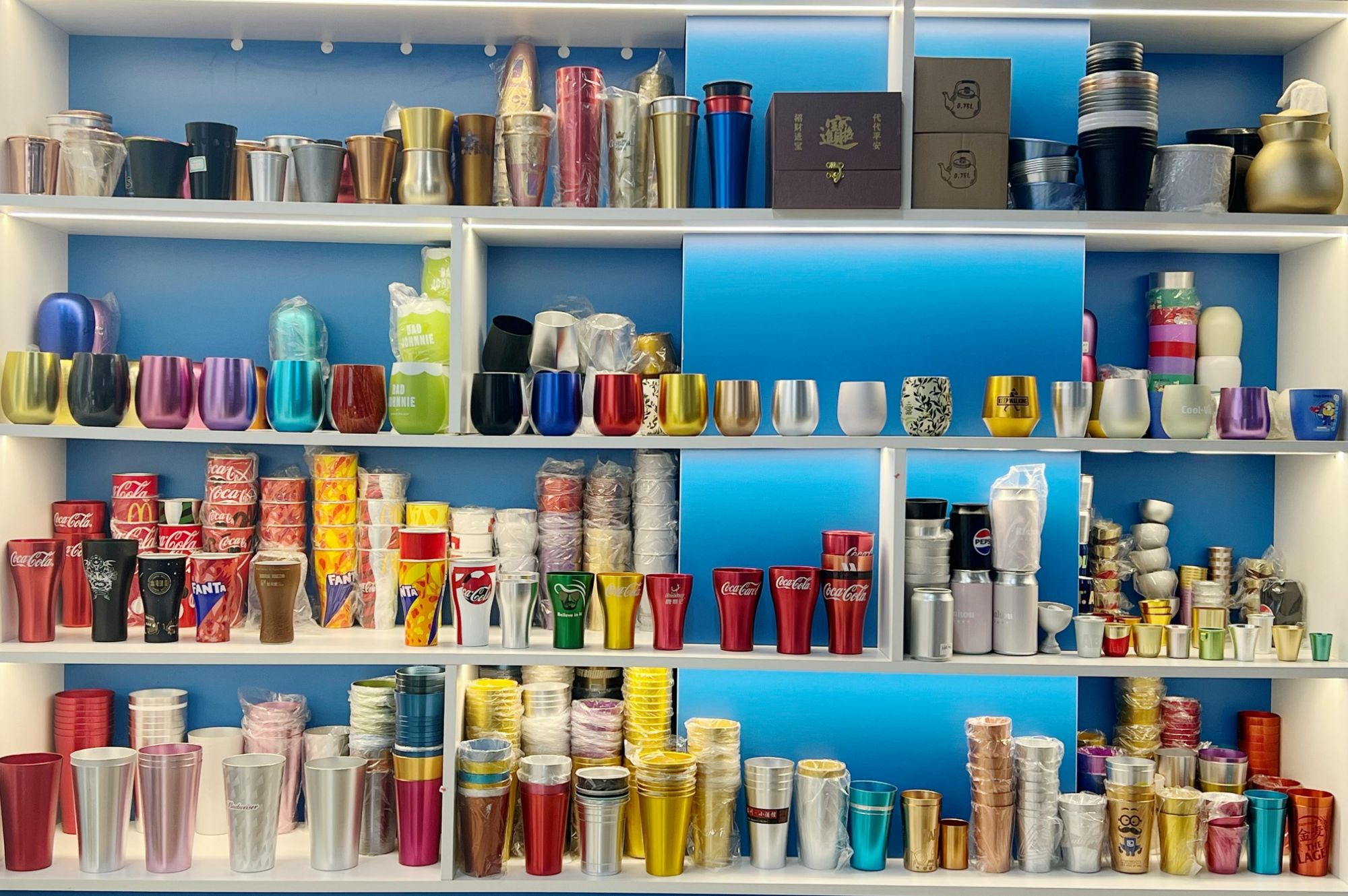
Choosing the right glass for your beer is about more than just presentation—it’s a direct way to shape the drinking experience. A light, crisp pilsner thrives in a tall, slender flute that channels its effervescence upward, preserving the lively carbonation and delicate hop aromas. The narrow opening concentrates the subtle floral notes, so every sip feels fresh and clean. In contrast, a wide-bowled snifter cradles a rich imperial stout, allowing the beer to warm slightly and release its deep, roasted complexities. The tapered rim traps those layered scents of coffee and dark chocolate, intensifying the aroma before it even touches your lips.
The design of each vessel isn’t arbitrary; it plays with temperature, aeration, and aroma in ways that complement specific beer profiles. Belgian tripels benefit from a goblet’s broad surface and thick stem, which keeps the hand from transferring heat and encourages a robust, fruity nose to develop. Meanwhile, an English pint glass, with its slight taper, works well for a mellow ESB, maintaining a modest head and presenting the beer without distraction. Even the seemingly simple weizen glass, tall and curvaceous, is engineered to showcase a hefeweizen’s cloudy, golden body and swirling yeast while supporting a voluminous, lasting head that carries banana and clove esters.
There’s no single “perfect” glass for all occasions, and the best pairing often reflects the culture and tradition behind each style. A dimpled mug, heavy and sturdy, feels right for a malty Oktoberfest lager, adding a tactile, nostalgic element to the experience. For a hoppy IPA, a tulip glass with a flared rim directs the citrus and pine aromatics straight to your nose, elevating the sensory play. Experimenting at home can be a rewarding way to discover how dramatically a vessel can reshape the same beer—pouring a stout into a chalice versus a tumbler reveals hidden nuances, turning each variation into a conversation around the table.
The Temperature Trap: How Your Mug Affects Beer Freshness
It's easy to assume that any old mug will do when you’re pouring a cold one, but the container you choose can silently sabotage your beer’s freshness. A thick, room-temperature ceramic mug acts like a heat sponge, quickly warming your beer and accelerating the breakdown of delicate hop aromas. That first sip might taste decent, but within minutes the profile flattens, and what was crisp turns dull.
Glassware shape and material play a bigger role than most realize. A thin-walled, pre-chilled pilsner glass helps maintain the ideal serving temperature, preserving carbonation and aromatic esters that define freshness. Even a standard pint glass, when pulled straight from a warm shelf, will rob your beer of the cool, lively character the brewer intended. The temperature trap is subtle but real—you’re not just drinking warmer beer; you’re experiencing a muted, oxidized version of what it should be.
To outsmart this, store your favorite beer glasses in the freezer or fill them with ice water while you prep. Let them frost up before the pour, and you’ll notice how much longer the head remains, the effervescence tickles, and the flavors stay bright. The difference between a mediocre pint and a vibrant one often comes down to this simple ritual, proving that freshness isn’t just about the beer—it’s about the vessel, too.
Handle or No Handle? The Controversy That Beer Lovers Debate
When you cradle a pint glass, the handle might seem like a minor detail, but it sparks passionate debate among beer enthusiasts. Some swear by the ergonomic grip of a handled mug, claiming it keeps the beer cooler by preventing hand warmth from seeping in. Others argue that a handleless glass offers a more intimate sensory experience—your fingers sense the temperature, and the rim feels more natural against the lips, enhancing the drinking ritual.
The divide often splits along regional and stylistic lines. In Britain, the dimpled jug with its sturdy handle is iconic, evoking cozy pub sessions with real ale. Conversely, many Belgian and German beers arrive in stemmed, handleless glassware designed to showcase effervescence and aroma. The choice becomes a statement about tradition versus innovation, with each camp claiming authenticity. Even within craft beer circles, handle preference can signal allegiance to specific beer styles or cultural heritage.
Beyond aesthetics, the practical implications fuel the debate. Handled glasses are easier to stack and less likely to slip from wet hands in busy bars, earning favor from bartenders and festival organizers. Yet, connoisseurs insist that a handle can trap aromas or interfere with the visual appreciation of the beer’s color and clarity. In the end, no consensus emerges—the handle or no handle question remains a deliciously unresolved rift, adding another layer of personality to the world of beer appreciation.
Crystal Clarity vs. Frosted Glass: Which Enhances Your Drinking Experience?
When you lift a glass to your lips, the first thing you notice isn’t the taste—it’s the look and feel. A crystal-clear glass showcases the vibrant hues of your drink, whether it’s the deep ruby of a Cabernet or the golden effervescence of a sparkling water. The transparency invites you in, building anticipation before the first sip. It’s like a stage set for the liquid, emphasizing purity and freshness.
On the other hand, a frosted glass offers a tactile, almost secretive experience. The etched surface softens the colors within, casting a gentle halo that feels more intimate and relaxed. There’s a satisfying grip to the matte texture, making it perfect for casual settings like a chilled lemonade on a hot afternoon. The frost hides imperfections—cloudiness or sediment—and instead highlights the drink’s temperature, with condensation beading tastefully on the outside.
Which one truly enhances your drinking moment? If you love to admire the clarity and brilliance of your beverage, crystal is your companion. But if you lean toward a cozy, subdued aesthetic where touch and temperature play a bigger role, frosted glass might just make every sip feel more personal. In the end, it’s about how you want to connect with your drink—through a lens of absolute clarity or a veil of soft diffusion.
Beyond the Mug: How Glassware Rituals Elevate Your Brew
There’s a quiet, almost meditative shift that happens when you pour your morning coffee into a hand-blown glass instead of a ceramic mug. The warmth spreads through your palms as the deep amber liquid swirls, catching the light. It’s no longer just a caffeine fix—it’s a moment of pause, a sensory invitation. The clarity of the glass lets you watch the crema settle, the steam curl upward, and the tiny bubbles cling to the side. That transparency turns a rushed sip into a deliberate act of appreciation, reminding you that this brew was crafted with care, bean by bean, drop by drop.
Glassware carries an inherent honesty that thick, opaque cups can’t match. With every tilt, you see the way the body coats the wall, how the layers separate, and if you’re patient, the delicate dance of sediment. This visual feedback connects you to the drink in a way that feels instinctive—like knowing by sight whether it’s too weak or just right. Even the sound changes: the delicate clink of a thin rim against your teeth, the soft ring when you set it down. Those tiny details build a ritual that slows you down, anchoring you in the present long enough to actually taste what’s in your hand.
There’s also something wonderfully tactile about how glass holds warmth or coolness, speaking back to you with every touch. A chilled pilsner glass beads with condensation on a hot day; a borosilicate tea cup keeps your fingers from burning while you watch leaves unfurl. These moments aren’t accidental—they’re designed, and using them feels like participating in a quiet tradition of craftsmanship. You start to notice the imperfections that make each piece unique: a slight bubble in the glass, a asymmetrical curve. And just like that, an everyday ritual becomes a small celebration of the brew itself, poured into something that was made to be seen and felt, not just filled.
FAQ
Most people focus on looks, but the rim shape matters more than anything. A thin, smooth rim lets the beer flow directly over your tongue without turbulence, so you actually taste the malt and hops rather than just carbonation.
Absolutely. Ales often need room for a thick, aromatic head and a wider bowl to unlock esters, while lagers shine in a tall, narrow glass that preserves carbonation and releases crisp aromas slowly. Wrong glass, and you’re basically drinking a shadow of the real flavor.
Not at all. In fact, most top-tier tasting glasses are incredibly thin because they transfer the beer’s temperature directly to your palate without warming it with your hands. Heavy mugs are great for durability at a pub, but if you’re after flavor, lighter is often better.
That little etching isn’t just decoration—it provides a constant stream of tiny bubbles, which releases aroma continuously as you drink. Without it, the head collapses too fast and the beer can smell flat, especially with Belgian styles or rich malty ales.
Check the glass’s interior for any soap residue or rinse aid—even tiny amounts kill foam. Beyond that, a glass with a slight inward taper near the top helps trap the foam, while a straight-sided glass lets it spill over too quickly. Clean with baking soda and skip the dishwasher.
They grab the coldest glass from the freezer. A frosted glass can shock the beer, causing excessive foam and muting flavor. Most beer styles should be served in a room-temperature glass, except maybe a few light lagers where the chill actually helps.
The flared lip captures and funnels the intense, volatile aromas right to your nose, while the bulbous body allows swirling without sloshing. It’s like a magnifying glass for smell, turning a simple sip into something far more complex.
Conclusion
Most beer drinkers assume a pint glass is the universal vessel, but shape plays a far bigger role than capacity. A tulip glass, for example, captures the delicate aromas of a Belgian ale, while a slender pilsner flute showcases the beer’s clarity and sustains the carbonation that lifts hop notes to the nose. Ignoring this marriage of style and glass means you’re missing half the experience—why settle for a generic mug when a curved snifter can intensify the rich, roasted character of an imperial stout? The temperature factor is just as critical. Thin-walled glasses cool faster, risking a bland, muted taste, whereas thick ceramic mugs retain chill without numbing the tongue. A vendor who understands thermal dynamics won’t just sell you a container; they’ll recommend a vessel that keeps your pilsner crisp and your porter at cellar temperature, preserving every nuance until the last sip.
The handle debate splits drinkers into two camps: some love the sturdy grip that shields beer from body heat, while others swear by stemware for a delicate, swan-like hold that maintains elegance and temperature. Both have merit, but what truly matters is how the glass feels in your hand as you raise it. Then there’s the clarity question—crystal-clear glass reveals the beer’s true color and effervescence, inviting visual appreciation before the first taste. Frosted glass might look cool, yet excessive frost can mute flavors by numbing taste buds and hiding that beautiful amber glow. Beyond the practical, the rituals around glassware matter. Pouring a Belgian witbier into a heavy, branded chalice, tilting it just so, becomes an act that announces, "This matters." A top vendor doesn’t simply offer products; they coach customers on how the right glass turns drinking into a mindful ceremony, elevating even a simple lager.
Contact Us
Contact Person: Milo
Email: [email protected]
Tel/WhatsApp: +86 18621923991
Website: https://www.dgbaide.com