

Top Cold-Roll Steel Plate Wholesaler Selection Tips for Industrial Buyers
2026-10-15
When a production line stalls because subpar cold-rolled steel plates warp under pressure, the real cost hits far beyond the invoice. Industrial buyers know the drill: vetting wholesalers means cutting through recycled claims and vague mill certificates. That’s why the following selection tips focus on what actually separates dependable suppliers from costly gambles—and why teams increasingly benchmark against Sanhe Steel before signing a contract.
Check the Mill’s Certifications and Traceability Paper Trail
Any mill can hang a framed ISO 9001 certificate in the lobby, but that alone doesn't prove the material you're buying meets your specs. Request the certificate number and check it against the issuing body's public database. Make sure the certification scope covers the specific product category, not just the facility's general quality management system. If the mill hesitates to share this information, treat that as a warning sign, not a bureaucratic hurdle.
The paper trail should connect each batch of material back to its raw ingredients. Ask for the mill test report (MTR) that lists the heat number, chemical composition, and mechanical properties. That heat number needs to appear on the product tags, shipping documents, and any in-house test results. A gap in this chain—like a missing heat number on a pallet label—usually means the material was mixed or re-labeled at some point, which can compromise traceability.
During a site visit, ask to see the actual physical records, not a polished PDF sent later. Flip through the logbooks for date stamps, signatures, and corrections. Legitimate entries often have minor edits or handwritten notes; a perfectly clean digital file can be too good to be true. Also check that the certifications are valid for the current production period, not an audit from three years ago.
Match the Steel Grade and Surface Finish to the Job
304 stainless with a 2B finish handles most indoor structural and kitchen work, but if the part will see salt spray or chlorides, moving to 316 is worth the extra cost before you even consider polishing. The finish choice should follow the same logic: a #4 brushed finish hides fingerprints and minor wear on visible panels, while a true #8 mirror looks striking but demands constant cleaning and shows every scratch.
For architectural trim or elevator interiors, pairing 430 with a hairline or bead-blasted finish often beats the higher alloys on price and still holds up indoors. On the other hand, food-processing equipment calls for electropolished 304 or 316, because the smooth, passivated surface reduces bacterial adhesion and makes washdowns faster.
Don't default to the shiniest option. A coarse 2B or dull roll finish works fine inside cabinets or behind appliances, where nobody sees it and you save real money. Match the grade to the corrosion exposure, then pick the finish based on cleaning needs and how much wear the visible surface will take.
Work Out the Total Landed Cost Before Comparing Quotes
Most buyers stop at the unit price and assume the cheaper quote is the better deal. That habit leads straight to budget blowouts once freight, customs duties, insurance, port handling, and local delivery all pile on. Instead of jumping between supplier numbers, pull every cost element into a single figure before you even think about comparing. A landed cost is the actual amount you'll pay to have the goods sitting in your warehouse, not just the invoice from the factory.
Build your own simple worksheet for each quote. Start with the ex-works or FOB price, add international freight, then layer in customs brokerage, import taxes, and any warehousing fees if the shipment arrives before you can receive it. Don't overlook smaller hits like currency conversion margins or bank transfer fees — they add up quickly on large orders. Once you see the total landed cost for each supplier side by side, the real price difference emerges, and often the cheapest unit price turns out to be the most expensive once it reaches your door.
This approach also gives you a powerful negotiating tool. When you know your true landed cost, you can ask a supplier to adjust terms, switch to a different Incoterm, or consolidate shipments to cut freight. You stop comparing quotes blindly and start comparing the only number that matters: what it actually costs to put that product on your shelf.
Request a Trial Order to Test Consistency
Before committing to a large purchase, request a trial order and treat it as a working sample rather than a one-time check. Run the products through your actual processes—whether that means cooking, assembling, or reselling—and note how they hold up from first use to last. Consistency isn't just about matching a spec sheet; it's about whether the tenth unit behaves like the first.
Ask the supplier to pull the trial from regular production stock instead of sending a hand-picked sample. That gives you a realistic read on batch-to-batch variation. Then place a second small order a few weeks later, without announcing it as a test, and compare the results side by side. If the color, dimensions, performance, or packaging drift between shipments, you've caught the issue before it reaches your customers.
Inspect How the Wholesaler Handles and Packages Coils
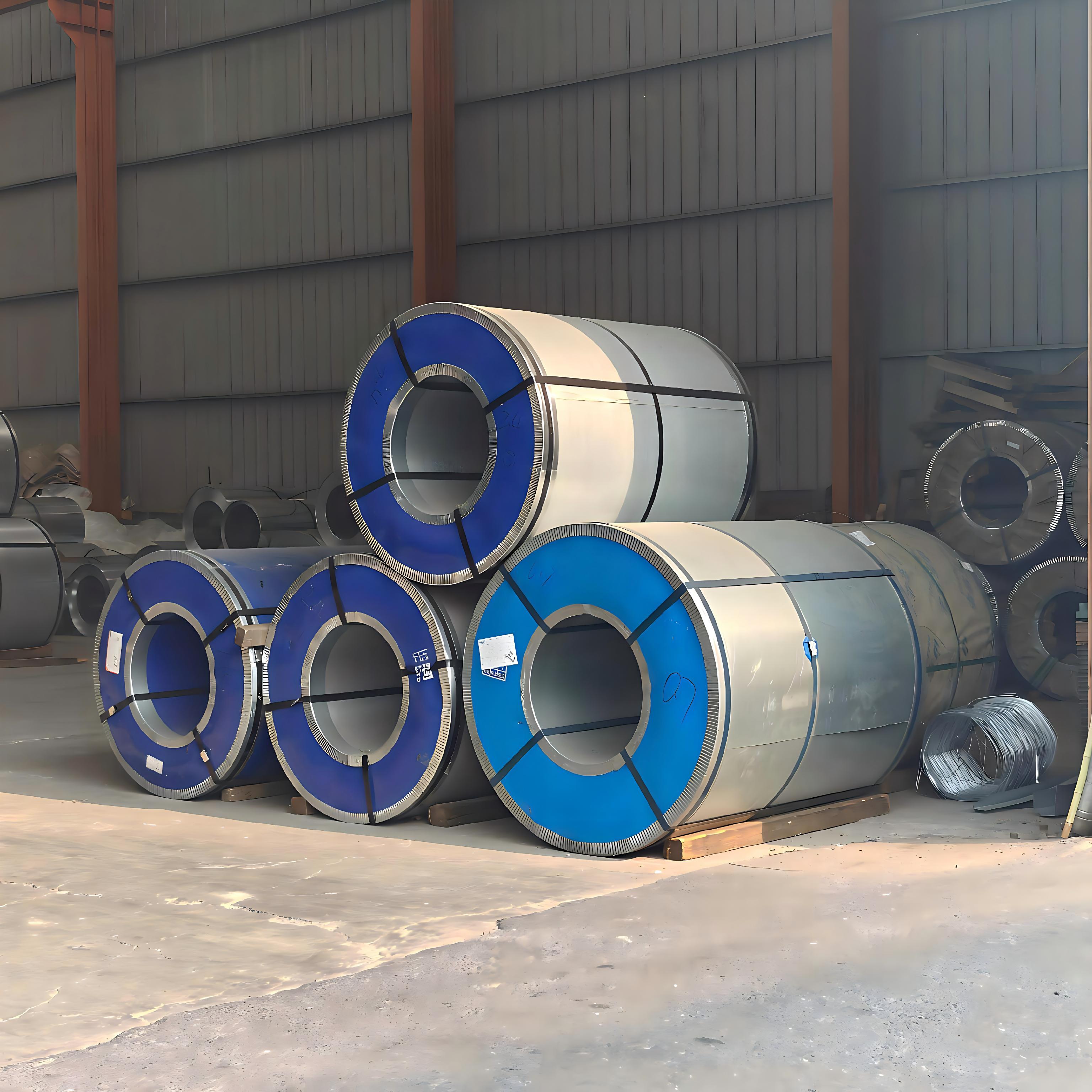
The first thing worth checking is whether the coils sit upright or lie flat during storage and transit. Upright coils with a reinforced eye are less likely to develop flat spots, but only if the base is wide enough to prevent tipping. Ask to see the staging area and note whether heavier coils are stacked or kept separate.
Packaging details often reveal more than a spec sheet. Look for full circumferential strapping—at least two bands across the outer diameter and one through the eye—plus edge protectors made of plastic or cardboard. If the wholesaler uses VCI paper or shrink wrap, confirm it covers the entire surface without gaps near the inner diameter, where condensation tends to collect.
One more thing to observe is how coils are actually moved. A crew that relies on chains instead of a padded C-hook or lifting strap will leave marks. Check a few stored coils for crushed wraps, rust blooms, or damaged outer layers. If the wholesaler won't let you inspect the handling area, that's a stronger signal than any certificate.
Ask How Defects and Claims Are Resolved
Before you sign anything, ask the builder to walk you through their specific process for handling defects and warranty claims. Don't settle for vague reassurances like "we take care of everything." Request written examples of how past issues were logged, investigated, and closed out, including timelines and who was responsible at each stage. A builder who hesitates to share concrete resolution histories is likely to make you chase them later.
Pay attention to whether their defect procedure gives you a single, named point of contact or bounces you between subcontractors. Strong builders usually have a dedicated service coordinator who tracks claims from report to sign-off. Ask what happens if a defect recurs after a repair—does the original warranty restart, or are you now on your own? The answer reveals whether their resolution promise is a genuine commitment or just marketing language.
Finally, test their responsiveness with a hypothetical: ask them to explain, step by step, how they would handle a major leak discovered three months after move-in. Note whether they mention inspection protocols, emergency mitigation, temporary accommodation, and final root-cause repair. If their response focuses only on fixing the visible damage quickly, they may be treating symptoms rather than preventing the same claim from appearing again.
FAQ
Ask for mill test reports for the exact heat numbers you plan to order, not a sample from a different batch. Then cross-check the reported chemical composition and mechanical properties against the standard your production requires. If the wholesaler hesitates or offers a generic certificate with no heat number match, treat that as a sign their traceability chain is weak.
Look for rust blooms under the edge protectors, uneven coil stacking that bends the outer wraps, and tags that have been taped over or re-marked. Also notice whether the humidity in the storage bay feels high and whether the crane operators seem to drag plates across lower stacks. These details reveal how the wholesaler handles material when no buyer is watching.
A short quote means little if it slips by two weeks on a later order. Consistent lead times let you schedule slitting, stamping, and assembly without holding extra safety stock. Ask the wholesaler for their last six actual delivery dates against quoted dates for similar cold-rolled plate orders. A tight range, even if slightly longer, is far more valuable than an aggressive promise that only holds once.
Request a physical sample from current stock, not from a display rack. Measure thickness at multiple points across the width and check for chatter marks, roll imprints, or uneven oil film. If you need a specific surface like matte or bright, ask them to pull a coil from the same heat you would receive and ship a labeled offcut for your lab or tooling team to test.
Ask how they handle edge burr tolerance after slitting, whether they can match your inner diameter and coil weight per skid, and what they use for edge protection during multi-stop truck deliveries. A wholesaler who asks about your uncoiling equipment and downstream feed rate, instead of just quoting a width and price, is far more likely to deliver plates that run without line stoppages.
It is not only the freight line item. A closer warehouse with fewer transfer points reduces handling damage and lets you receive partial loads without waiting for a full truck. Ask whether they have drop trailers or night receiving, and how many times a coil is handled between their door and your dock. Each additional lift increases the chance of edge damage and adds hidden cost.
Before placing a large order, send a small trial lot and deliberately flag a cosmetic edge nick or a slight thickness outlier. A dependable wholesaler will offer a credit, replacement, or sorting service without you having to escalate. If they argue that the defect is within commercial tolerance and refuse to even send photos to the mill, that tells you how they will behave when a real production crisis hits.
Ask for the list of mills they currently buy from and whether they keep stock segregated by both mill and heat number. Mixing coils from a low-cost domestic mill and a high-quality import in the same bundle can cause die wear and springback variation that only shows up after stamping. A transparent wholesaler will let you choose the specific mill for your order and confirm it on the packing slip.
Conclusion
A reliable cold-rolled steel plate supplier is rarely the one with the lowest sticker price. Before you compare a single number, pull back the curtain on the mill's paperwork. Certifications like ISO 9001 or IATF 16949 mean little if the heat numbers don't trace cleanly to the original coil. Ask for the full chain from slab to slit plate, and don't be shy about verifying it. Then match the exact grade and surface finish to what your production line actually demands—SPCC versus DC01 versus a high-strength deep-drawing grade are not interchangeable, and a bright finish might hide the very texture your dies need. Only after you've filtered for metallurgical fit and traceability should you start working out total landed cost: freight, duties, insurance, packing, and the cost of rejected material all belong in the quote before it's worth a second look.
Even a perfect spec sheet won't tell you whether a wholesaler is consistent across three containers. That's why a trial order is not a courtesy—it's a cheap insurance policy. Watch how the coils arrive. Edge protectors, oil film coverage, and strapping patterns reveal whether the warehouse respects the material. If the plate shows coil set, rust stains, or edge damage on that first shipment, assume it will happen again on a larger scale. Finally, pin down the claims process before anything goes wrong. A wholesaler that makes you fight for three weeks over a legitimate surface defect is not saving you money. The best ones will show you a clear, time-bound path to replacement or credit. Choose suppliers who treat cold-rolled plate as a precision product, not a commodity.
Contact Us
Contact Person: Zoey
Email: [email protected]
Tel/WhatsApp: +86 15865577002
Website: https://www.sanhesteels.com