

Top Engine Cylinder Head: Essential Guide to Performance and Care
2026-07-07
The top engine cylinder head is more than just a metal cap—it's the command center of your engine's power and efficiency. From airflow dynamics to heat dissipation, every detail impacts performance. Yet, even the best designs can fall short without proper care. This guide strips away the myths and focuses on what truly matters: unlocking hidden potential while avoiding costly mistakes. Whether you're tuning for speed or longevity, insights from DDR engineering teams reveal how precision meets durability. Dive in to discover how to master cylinder head performance—and why cutting corners is never an option.
Cylinder Head Materials: Cast Iron vs. Aluminum – Which Delivers?
For decades, the choice between cast iron and aluminum cylinder heads has shaped engine design in ways that go far beyond simple weight savings. Cast iron brings a level of thermal stability and durability that's hard to beat, especially in heavy-duty applications where heat cycles put constant stress on the head. It resists warping under extreme temperatures and holds its shape well over time, which means consistent sealing and valve seat integrity. On the flip side, aluminum's lighter mass instantly reduces the overall engine weight, improving vehicle dynamics and fuel economy without much effort. But the real difference comes down to how each material handles heat, and that's where the trade-offs get interesting.
Aluminum conducts heat much faster than cast iron, pulling warmth out of the combustion chamber more efficiently. This allows for higher compression ratios and advanced ignition timing before detonation sets in, making it a favorite for performance-oriented builds. The quicker heat dissipation also means the intake charge stays cooler, packing more air and fuel into each cylinder. However, that same rapid temperature change makes aluminum more prone to expansion and contraction, which can lead to gasket sealing issues if the cooling system isn't up to par. Cast iron, being slower to heat up and cool down, maintains a more stable dimensional profile but tends to retain heat, potentially raising intake temperatures and limiting aggressive tuning.
Noise and vibration tell another part of the story. Cast iron's dense structure naturally dampens sounds, giving engines a quieter, more refined character that luxury automakers have long appreciated. Aluminum heads transmit more mechanical noise, though modern engineering has closed that gap significantly. When it comes to repairability, iron often wins: cracks can be welded and seats replaced with relative ease, while severely damaged aluminum heads are frequently scrapped due to the cost and complexity of proper repair. Ultimately, neither material is universally superior: cast iron suits engines built for longevity and steady output, while aluminum unlocks performance potential through thermal efficiency and weight reduction, assuming the supporting systems can handle the trade-offs.
Porting and Polishing: Fact or Fiction for Street Engines?
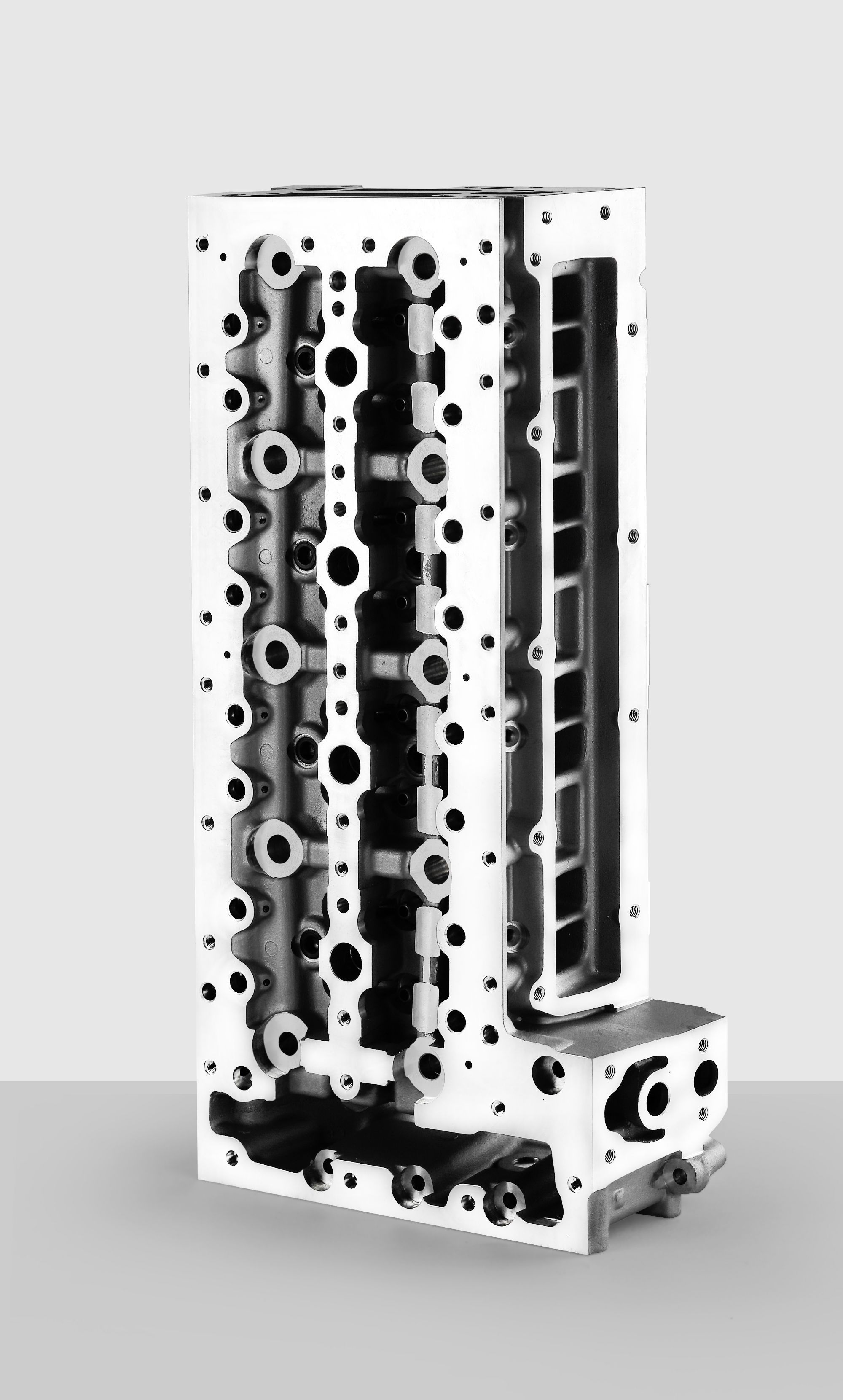
Walk into any speed shop and you’ll hear the classic pitch: “Get your heads ported and polished, unlock hidden horsepower.” It’s a promise that’s been around since the first guy took a die grinder to a cast-iron lump. But when the rubber meets the road—literally, on a street-driven car—does all that metal removal and mirror-finish work actually pay off, or are we just chasing dyno bragging rights and emptying our wallets?
On the surface, the logic seems unassailable. Smoother passages mean less friction, and bigger ports can gulp more air. Yet a street engine rarely hangs out at wide-open throttle above 6,000 rpm where those gains live. In stop-and-go traffic, a lumpy idle and soggy low-end response from overly hogged-out runners can make you miss the stock cam’s civility. The real trick isn’t just hogging metal—it’s reshaping the port’s short-side radius and valve bowl to keep velocity high where you actually drive. A pocket port, with careful cleanup, often brings more real-world joy than a full-race job that only wakes up on the freeway on-ramp.
And then there’s the polishing. A glassy finish looks great on Instagram, but on a wet-flow bench, it can cause fuel droplets to bead up instead of staying suspended—especially with a carb. A slightly textured surface, like what you’d get from a 60-grit cartridge roll, often atomizes the mixture better. So maybe the old adage is half-true: porting is fact, but only if you’re honest about where you’ll spend 90% of your tach time. Polishing? That might be more fiction for the street, unless you’re just admiring your work with a flashlight.
Signs Your Cylinder Head Gasket Is About to Fail
A failing cylinder head gasket often whispers before it screams. One early clue is your engine running hotter than usual without a clear cause—like a cooling system that can’t keep up despite having enough fluid. You might also notice a gradual, unexplainable loss of coolant, sometimes accompanied by a faint sweet smell from the exhaust. These subtle changes can persist for weeks before more dramatic symptoms appear, so paying attention to temperature gauges and fluid levels is more than just routine maintenance—it’s your first line of defense.
Beyond the gauges, your engine may start acting up in ways that feel inconsistent. A rough idle that comes and goes, perhaps a slight misfire when you accelerate, or a gentle white puff from the exhaust on startup that clears quickly. These aren’t always obvious red flags, but they hint at a gasket that’s beginning to lose its seal, allowing coolant and combustion gases to mingle in places they shouldn’t. Over time, you might even spot a milky residue on the oil dipstick or under the oil filler cap—a classic sign that coolant is sneaking into the oil system.
When the gasket gets worse, the symptoms become harder to ignore. Noticeable coolant leaks near the engine block, persistent overheating even after topping off, and exhaust that retains a steady, thick white cloud all point to a breach that’s no longer small. At this stage, driving puts stress on everything from the catalytic converter to the engine bearings. The car doesn’t just feel off—it behaves like it’s fighting itself, and each mile adds risk of warped heads or deeper damage that turns a gasket swap into a major rebuild.
The Overlooked Maintenance Step That Saves Your Valves
Most valve failures aren’t sudden—they creep up quietly, often because a simple step gets skipped in routine checks. That step? Lubrication. Not just a quick squirt of generic grease, but the right lubricant applied to the stem threads and moving parts. When neglected, friction builds, seals degrade, and before you know it, a valve that should turn smoothly seizes up or leaks. It’s boring work, easy to push off, but it’s the difference between a valve lasting years and failing months after installation.
The trick is matching the lubricant to the valve’s job—high-temperature grease for steam lines, food-grade lube for processing plants, oxygen-safe compounds where needed. A schedule helps, but more than that, pay attention to feel: if a handle starts binding, don’t force it. Stop, clean the threads, and re-lubricate. That extra five minutes can save you from swapping out a whole unit under pressure.
Aftermarket Heads: When They’re Worth the Investment
There comes a point in any project where the factory heads just can't keep up. Maybe you're chasing a specific power goal, or the stock castings are cracking under higher boost. An aftermarket set can be the clear solution, but it's not automatically the right move. The key is matching the heads to the rest of the combination. Slapping a set of high-flow heads on an otherwise stock engine often just shifts the bottleneck without fully resolving the underlying mismatch. Think of them as part of a larger recipe, not a standalone fix.
It's also worth looking at what you actually need versus what's being marketed. Not every build calls for a fully CNC-ported billet masterpiece. In many cases, a well-designed cast aftermarket head with a solid valve job and a sensible port volume will get you 90% of the way there for a fraction of the cost. The real value shows up when you're planning a complete top-end package—intake, cam, and compression all designed together. That's when the extra flow and stability start to pay off in both horsepower and reliability.
Then there's the longevity argument. Factory pieces might have made it a hundred thousand miles already, and pushing them further without a refresh invites trouble. Aftermarket heads often feature thicker decks, improved cooling passages, and better material in critical areas. That matters if you're building something meant to take repeated abuse, whether it's a tow rig seeing heavy loads or a weekend warrior that lives at redline. When you factor in the cost of reconditioning tired originals, the jump to a new, stronger casting can make more sense than it initially appears.
Torque Sequences: Why Your Wrench Technique Matters
Most people grab a wrench and tighten bolts in a circle without a second thought, but that habit can quietly ruin a gasket or warp a mating surface. Uneven clamping force leads to leaks, cracks, and early failures that no amount of thread locker can fix. A proper torque sequence isn't just shop manual fluff—it's the difference between a repair that lasts and one that leaves you stranded a week later.
Think of a cylinder head: if you crank down one corner fully before the others, you're essentially bending the part. The correct pattern walks the bolts from the center outward in stages, gradually pulling everything flat. This same logic applies to any multi-bolt assembly—valve covers, oil pans, even wheel lugs. Skipping the sequence invites warpage, uneven load distribution, and blown gaskets that mimic major mechanical problems.
Technique also matters at the tool level. Rushing with an impact gun skips the subtle feedback a torque wrench provides, and even with a torque wrench, a smooth, steady pull gives a more accurate reading than a jerky motion. Combine a star or spiral pattern with incremental tightening, and you'll feel the difference in how evenly the fastener seats. It's not about being fussy; it's about giving components the best chance to do their job under heat, vibration, and pressure.
FAQ
It sits on top of the engine block, sealing the combustion chambers. It houses intake and exhaust valves, spark plugs, and often the camshaft. Essentially, it manages the flow of air and fuel in and exhaust gases out, while withstanding extreme heat and pressure.
Look for milky oil (coolant mixing with oil), white smoke from the exhaust, or constant overheating. Compression loss and misfires are also red flags. A mechanic might do a leak-down test or use a straightedge to check for warping.
Older engines often used cast iron for its durability and heat resistance, but most modern cars use aluminum alloy. Aluminum is lighter and dissipates heat faster, which helps with performance, but it’s more prone to warping if overheated.
Absolutely. An aftermarket head with bigger valves, better port flow, and a higher compression ratio can let the engine breathe easier. That improves power across the rev range, though you might need to tune the ECU and upgrade other parts like cams to see the full benefit.
Use a plastic scraper or a soft wire brush for gasket surfaces, never a metal one that could scratch. For carbon buildup, soak parts in a dedicated chemical cleaner, then rinse and dry thoroughly. Avoid sandblasting unless you’re prepping for a full rebuild, since leftover media can destroy an engine.
It’s a byproduct of incomplete combustion. Oil mist from the crankcase ventilation system, low-quality fuel, or a rich fuel mixture can leave deposits. Direct-injection engines are especially prone because fuel doesn’t wash over the intake valves.
There’s no set schedule, but pay attention at the first sign of trouble: coolant loss, overheating, or rough running. Many last over 100,000 miles, but if you service the cooling system regularly and don’t overheat the engine, you’ll avoid premature failure.
If the head has been removed and you see pitting around coolant passages or measure an uneven surface with a feeler gauge, it’s time. Overheating often warps the deck, so after a major overheat, resurfacing is usually mandatory to get a good seal.
Conclusion
When it comes to optimizing your engine's power and reliability, the cylinder head plays a starring role. The choice between cast iron and aluminum isn't just about weight; it's a trade-off between durability and heat dissipation. Cast iron heads can take more abuse and resist warping under extreme heat, making them a favorite for heavy-duty applications. Aluminum, on the other hand, sheds heat faster and allows for more aggressive compression ratios, which can unlock hidden horsepower. Many enthusiasts chase performance through porting and polishing, but on a street engine, the gains are often overstated unless you're already pushing the limits with a cam and induction upgrades. Instead, pay attention to the less glamorous maintenance steps—regularly checking your valve clearances and performing a simple leak-down test can catch a failing head gasket before it leaves you stranded. The first signs of trouble often show up as mysterious coolant loss, milky oil, or a rough idle that doesn’t level out.
Before diving into aftermarket heads, consider whether your current setup is really holding you back; for most mildly modified engines, a quality valve job and fresh seals deliver better bang for the buck. However, if you're building a high-revving or forced induction engine, aftermarket heads with improved port designs and larger valves become a worthwhile investment. One critical step that’s frequently botched is the torque sequence during installation. Skipping the manufacturer’s tightening pattern or reusing old bolts can lead to uneven clamping force, warped decks, and premature gasket failure. A proper, staged torque sequence with clean threads and accurate tools ensures the head sits flat and seals tightly, safeguarding your engine’s compression and longevity. It’s the kind of detail that separates a reliable build from an expensive lesson.
Contact Us
Contact Person: Shelly
Email: [email protected]
Tel/WhatsApp: 8613967667688
Website: https://www.yongyu.com/