

Wholesale FWA Solutions: Empowering Next-Generation Connectivity for Scalable Networks
2026-05-15
In the race to deliver high-speed connectivity across underserved regions, wholesale Fixed Wireless Access (FWA) has emerged as a game-changer. As networks scale to meet surging data demands, the need for agile, cost-effective infrastructure has never been greater. IPLOOK is at the forefront of this transformation, offering innovative solutions that empower operators to build next-generation networks with unprecedented efficiency. But what exactly makes wholesale FWA the backbone of tomorrow's connectivity? Let's dive in.
The New Blueprint for Scalable Connectivity
Designing connectivity that actually scales means shedding rigid, centralized models. The new blueprint leans into distributed architectures where control is pushed outward, letting each node handle decisions locally. This reduces choke points and keeps traffic flowing smoothly even as demands spike.
Automation isn’t just a perk here—it’s woven into the fabric. Instead of relying on manual tweaks, networks self-adjust based on real-time conditions, rerouting around bottlenecks without human input. The result is less downtime and a system that learns from its own patterns.
Security and performance don’t have to trade off. By embedding intent-based policies and edge processing, the blueprint safeguards data without slowing things down. It’s a practical approach that acknowledges real-world constraints, making growth feel natural rather than forced.
Empowering Providers with Turnkey FWA
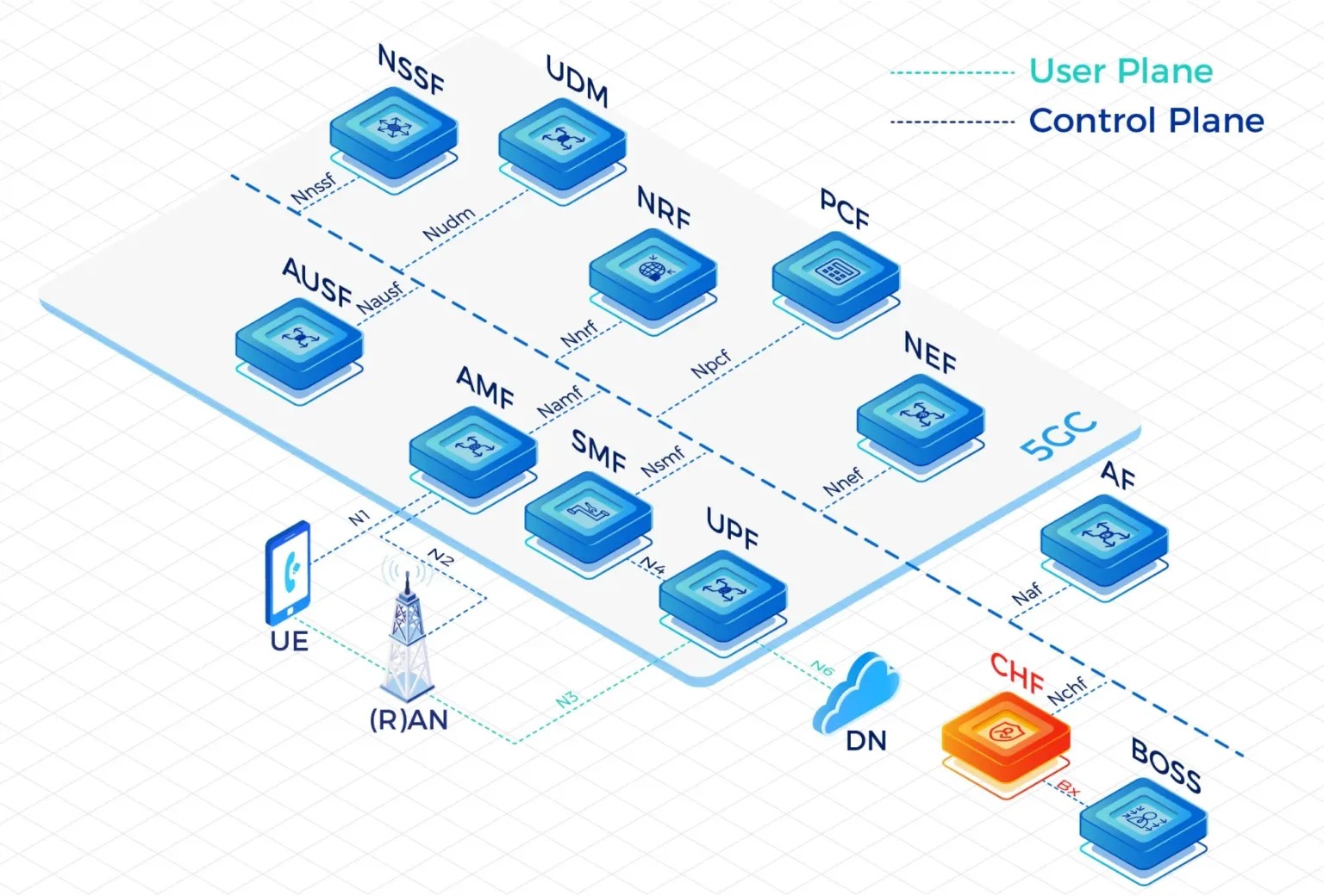
Turnkey FWA solutions strip away the complexity of building private networks from scratch, giving providers a ready-made path to deploy fixed wireless access at scale. Instead of wrestling with infrastructure design, spectrum planning, and vendor coordination, providers gain a streamlined package that accelerates time to market and keeps operational headaches to a minimum.
This approach lets providers focus squarely on service delivery and customer experience, rather than getting bogged down in technical integration. With pre-integrated hardware, software, and support, they can quickly light up high-speed connections in underserved areas, unlocking new revenue streams without the usual deployment delays.
By removing traditional friction points, turnkey FWA empowers even smaller regional players to compete effectively, bringing fiber-class connectivity to communities that have long been neglected. It’s a practical, no-nonsense way to bridge the digital divide while keeping the provider’s team lean and agile.
Unlocking Spectrum Value for Network Growth
Spectrum is more than just a technical resource—it’s the foundation of network expansion. Maximizing its value demands smarter utilization, not necessarily more bandwidth. By deploying dynamic sharing frameworks and intelligent traffic steering, operators can squeeze every ounce of capacity from existing allocations, turning congested corridors into high-throughput lanes without costly new licenses.
The real unlock often lies in unconventional pairings: blending licensed and unlicensed bands, or overlaying millimeter-wave with sub-6 GHz coverage to create a seamless fabric. When combined with AI-driven predictive load balancing, these approaches not only sustain growth but future-proof the network against unpredictable demand spikes, all while keeping capital expenditures in check.
Effortless Expansion into Untapped Markets
Breaking into new markets often feels like navigating a maze with no map. But what if you could move past the guesswork and step directly into regions brimming with opportunity? The trick lies in identifying overlooked segments where demand exists but supply hasn’t caught up. Instead of battling saturated arenas, you slide into spaces where your offering resonates immediately because it fills a genuine void. This isn’t about reinventing your product—it’s about repositioning it where audiences are already waiting, sometimes without even realizing it.
Think of those niche communities or emerging economies where traditional players haven’t bothered to localize. The language might be slightly different, the habits subtly unique, and that’s exactly where your advantage lies. By embracing cultural nuances rather than bulldozing through them, you build loyalty that big-budget competitors often miss. A lightweight, empathetic approach—where you listen first and launch second—turns unfamiliar territories into fertile ground. It’s less about sheer force and more about thoughtful alignment with local rhythms.
Scaling across borders shouldn’t require a massive overhaul. Often, it’s the nimble adjustments—a tweak in messaging, a partnership with a local voice, a pricing model that respects regional realities—that unlock disproportionate growth. The beauty of untapped markets is that they reward curiosity over capital. You’re not fighting for scraps; you’re cultivating new ground where your brand can sink deep roots before anyone else even shows up.
Next-Gen Architecture Meets Real-World Demand
Modern systems are no longer built in isolation; they must respond to shifting user behaviors, unpredictable traffic surges, and the relentless pace of technological change. The architectures we design today fuse modular microservices, event-driven patterns, and serverless functions, creating a living backbone that adapts in real time. This isn't just about scaling—it's about crafting a digital nervous system that senses, reacts, and evolves without dragging down development velocity or overwhelming operational teams.
What sets this next wave apart is its grounding in messy, real-world constraints. Instead of chasing theoretical purity, teams lean into pragmatic choices: polyglot persistence that matches the data shape, edge computing that shortens the user's wait, and resilience patterns that keep the music playing when half the infrastructure throws a tantrum. The result is a stack that feels less like a blueprint and more like a city—layered, imperfect, constantly rebuilt, yet humming with life.
And beneath it all runs a quiet rebellion against complexity for its own sake. The most effective architectures today hide their sophistication behind clean contracts and self-healing loops. They let developers focus on the problem space, not the plumbing, while the system itself orchestrates the dance between cost, latency, and correctness. It's architecture as a product, not a monument—designed to bend with demand, not shatter under it.
Future-Proofing Networks with Wholesale FWA
Wholesale Fixed Wireless Access (FWA) is rapidly becoming the cornerstone of scalable network expansion, offering operators a way to sidestep the drawn-out timelines and exorbitant costs of trenching fiber. By leveraging existing cell site infrastructure and the growing capacity of 5G, providers can quickly deliver gigabit-grade connectivity to underserved areas, turning what was once a long-term bet into an immediate competitive advantage. The agility inherent in wireless last-mile solutions means you can pivot capacity where demand spikes, without being shackled to static physical routes.
What truly sets wholesale FWA apart in future-proofing efforts is its capacity to evolve alongside network advancements. As standards progress from 5G to 6G and beyond, the same spectrum assets and antenna systems can be upgraded or repurposed through software updates and modular hardware swaps, avoiding the rip-and-replace cycles that plague wired networks. This adaptability not only protects your capital investment but also enables you to continuously offer cutting-edge services—from immersive cloud gaming to real-time industrial IoT—without needing to lay new physical infrastructure.
Moreover, the wholesale model fundamentally changes the risk profile for service providers. Instead of shouldering the entire burden of customer acquisition and support, you empower a diverse ecosystem of resellers, municipalities, and niche ISPs, each tailoring packages to their local markets. This multiplies your reach while keeping your operational footprint lean. When combined with network slicing and edge computing, wholesale FWA becomes a platform for doing business at the speed of wireless, letting you capture emerging opportunities the moment they arise, not years later.
FAQ
Wholesale Fixed Wireless Access lets service providers offer high-speed internet without laying fiber to every building. Telecom operators, MVNOs, and ISPs use these turnkey platforms to launch connectivity services quickly, especially in underserved or hard-to-reach areas where traditional infrastructure is impractical.
Next-gen FWA taps into 5G and advanced antenna systems, delivering fiber-like speeds, lower latency, and massive capacity. Beyond just raw bandwidth, it brings network slicing and edge computing into play, making it suitable for demanding enterprise use cases that older systems couldn't handle.
Scalability comes from cloud-native architectures and software-defined management. Instead of swapping out hardware, operators can add capacity through remote upgrades and flex resource allocation. The system adapts to user density spikes without truck rolls, so growth doesn't trigger a costly rebuild.
Absolutely. Wholesale platforms are designed for multi-tenancy from the ground up. They isolate traffic, enforce individual SLAs, and provide each tenant with their own analytics dashboard. This means a sudden surge for one reseller won't degrade the experience for another.
Dynamic spectrum sharing lets a single infrastructure simultaneously serve different radio access technologies. It maximizes existing spectrum investments, allowing operators to smoothly transition from 4G to 5G FWA without dedicating separate bands, keeping costs down while performance ramps up.
Enterprises now see FWA not just as a backup but as a smarter primary failover because it sets up in hours, not weeks. With slicing, it can guarantee committed rates. It also offers geographical diversity — if a fiber cut hits one path, the wireless link is unaffected, which is a game-changer for branch continuity.
They strip away the heavy lifting of network buildouts and spectrum licensing. A regional player can just white-label the service, tap into existing wholesale infrastructure, customize pricing, and launch a branded offering in weeks. They focus purely on customer acquisition and support.
Conclusion
Wholesale Fixed Wireless Access is rapidly reshaping how connectivity providers approach network expansion, offering a practical blueprint that sidesteps the heavy lifting of traditional fiber rollouts. By delivering turnkey, ready-to-deploy infrastructure, these solutions free operators from lengthy build cycles and capital-intensive projects, allowing them to tap into underutilized spectrum assets and convert them into immediate capacity gains. This model shifts the focus from owning every network element to strategically leveraging wholesale partnerships that unlock spectrum value, enabling providers to direct their resources toward service differentiation and customer experience rather than construction. As a result, scalable connectivity becomes less about geographic constraints and more about smart, demand-driven deployment that can flex with market needs.
The real power of this approach lies in its ability to open doors to underserved regions and niche markets with minimal upfront investment, turning what were once logistical hurdles into seamless growth opportunities. Providers can now extend their footprint into rural communities, industrial corridors, or emerging urban pockets using next-generation architecture that blends high performance with cost efficiency. These networks are built to handle real-world demand—supporting everything from high-definition streaming to latency-sensitive enterprise applications—while maintaining a clear path for future upgrades. By adopting wholesale FWA, the industry moves beyond reactive expansion and toward a proactive, future-proof posture where capacity, coverage, and innovation scale in lockstep with evolving user expectations.
Contact Us
Contact Person: Shimmy
Email: [email protected]
Tel/WhatsApp: 85253392231
Website: https://www.iplook.com