

Wire Flattening and Shaping Lines: Innovations for Precision and Efficiency in Manufacturing
2026-02-01
In the fast-paced world of modern manufacturing, precision and efficiency are non-negotiable drivers of success. Enter GRM's wire flattening and shaping lines—a transformative innovation that redefines what's possible on the production floor. These advanced systems aren't just about reshaping metal; they're about streamlining operations, reducing waste, and pushing the boundaries of quality to new heights. As industries from automotive to electronics demand tighter tolerances and faster turnarounds, GRM's cutting-edge solutions offer a game-changing edge. In this blog, we'll dive into how these innovations are revolutionizing manufacturing processes, boosting productivity, and setting new standards for excellence. Get ready to explore the future of wire processing, where every curve and contour tells a story of smarter engineering and unmatched performance.
Exploring Cutting-Edge Wire Flattening Technologies
The landscape of wire flattening has undergone remarkable transformations in recent years, driven by innovations that enhance both efficiency and precision. Advanced systems now integrate intelligent sensors and real-time data analytics to monitor thickness variations during the process, allowing for immediate adjustments that minimize waste and improve consistency. This leap forward not only boosts productivity for manufacturers but also ensures that flattened wires meet the stringent demands of industries like aerospace and medical devices, where exact specifications are non-negotiable.
One standout development is the adoption of nanotechnology in surface treatments, which dramatically reduces friction and wear on flattening tools. By applying ultra-thin coatings, these technologies extend equipment lifespan while maintaining a smoother finish on the wire itself. This approach is particularly valuable in high-volume production settings, as it cuts down on maintenance downtime and leads to significant cost savings over time. Companies leveraging such innovations often report a noticeable edge in product quality and operational agility.
Looking ahead, the fusion of automation with sustainable practices is setting new benchmarks for the industry. Eco-friendly methods, such as using recycled materials and energy-efficient machinery, are becoming integral to modern wire flattening. For instance, some facilities now employ closed-loop cooling systems that conserve water and reduce environmental impact. As these cutting-edge technologies evolve, they pave the way for a more resilient and innovative manufacturing sector, capable of adapting to global challenges while delivering superior results.
Innovations in Shaping Lines Drive Manufacturing Precision
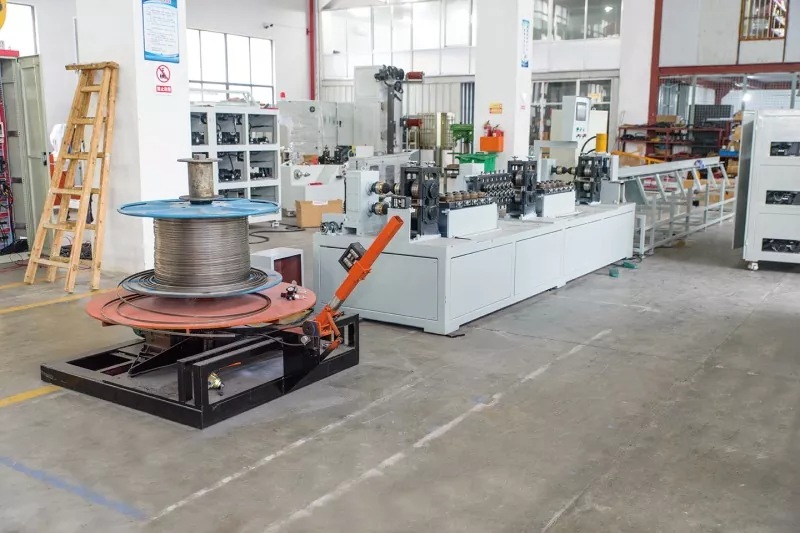
As manufacturing evolves, shaping lines have transformed from basic automated systems to cutting-edge components that redefine precision. Recent breakthroughs integrate real-time data analytics and advanced sensors directly into these lines, allowing for microscopic adjustments during operation. This continuous feedback loop minimizes material waste and enhances product consistency, making high-quality output not just a goal but a standard across industries.
Beyond data integration, novel materials and engineering designs are pushing shaping lines to new limits. Lightweight composite frames and adaptive molds respond swiftly to production demands, reducing setup times and improving accuracy. These innovations enable manufacturers to tackle complex geometries with ease, supporting everything from aerospace components to medical devices with unparalleled detail.
Looking ahead, the synergy between shaping lines and intelligent automation promises even greater breakthroughs. By embedding predictive maintenance and machine learning algorithms, these systems anticipate and correct errors before they occur, fostering a proactive approach to precision. This forward-thinking adaptation ensures that manufacturing not only meets but exceeds the stringent standards of modern engineering, setting a benchmark for future advancements.
Boosting Efficiency with Advanced Automation in Wire Processing
Implementing advanced automation within wire processing operations unlocks substantial time and resource savings. By integrating robotic systems that can precisely cut, strip, and terminate wires with minimal human intervention, companies see significant reductions in manual labor hours and associated costs. This shift not only accelerates production cycles but also enhances safety by minimizing worker exposure to repetitive tasks and potential hazards.
Moreover, leveraging smart sensors and real-time monitoring tools transforms how quality control is managed in wire processing. These technologies enable instant detection of defects or inconsistencies, allowing for immediate corrections without halting the entire production line. This proactive approach minimizes waste and rework, leading to higher overall efficiency and reliability in delivering products that meet exact specifications.
Advanced automation also supports flexibility in manufacturing, adapting quickly to varying wire types or custom orders through programmable setups. This adaptability ensures that operations remain competitive in fast-paced markets, where speed and customization are key. By reducing dependency on specialized skills, it empowers teams to focus on innovation and strategic improvements rather than routine tasks.
Key Strategies for Enhanced Quality Control in Wire Forming
Effective quality control in wire forming hinges on a comprehensive approach that begins with material sourcing. Select high-quality raw wire with consistent tensile strength and surface finish to minimize defects early in the process. Regular testing and inspection of incoming materials can prevent issues like brittleness or impurities from compromising the final product, setting a solid foundation for superior outcomes.
Implementing advanced monitoring systems during the forming stages is crucial for real-time quality assurance. Automated sensors and vision systems can detect deviations in wire diameter, bends, or twists, allowing for immediate corrections. This proactive stance reduces waste and ensures that each piece meets precise specifications, enhancing overall efficiency and reliability in production.
Continuous improvement through employee training and feedback loops further boosts quality control efforts. Skilled operators who are well-versed in best practices can identify subtle issues that machines might miss, while regular audits and data analysis help refine processes over time. Fostering a culture of excellence ensures long-term consistency and innovation in wire forming quality.
Sustainable Practices in Modern Wire Shaping Operations
In modern wire shaping operations, sustainability is no longer an afterthought but a core driver of innovation. Companies are increasingly adopting practices that minimize environmental impact while boosting efficiency. For instance, many facilities now use advanced energy-efficient machinery that reduces electricity consumption by up to 30% compared to older models, translating directly into lower carbon emissions. This shift isn't just about compliance; it's a strategic move that aligns with growing consumer and regulatory demands for greener products. By integrating renewable energy sources like solar panels into factory setups, operations can further cut their dependence on fossil fuels, creating a more resilient and eco-friendly production chain.
Another key aspect is material optimization and waste reduction. Through precision engineering and computer-aided design (CAD), manufacturers can produce wire shapes with minimal scrap material, often achieving near-zero waste in some high-tech processes. Recycling plays a big role here—scrap wire and by-products are commonly reprocessed on-site or sent to specialized facilities, turning potential landfill waste into valuable raw materials. This circular approach not only conserves resources but also reduces costs, making it a win-win for both the planet and the bottom line. Innovations like water-based lubricants and biodegradable coatings are replacing traditional chemicals, cutting down on hazardous runoff and improving workplace safety without compromising quality.
Beyond the factory floor, sustainability extends to the entire supply chain and product lifecycle. Many companies are now sourcing raw materials from certified sustainable suppliers, ensuring that metals like copper and aluminum are extracted with minimal ecological disruption. Additionally, designing wire products for durability and easy disassembly encourages longer use and simpler recycling at end-of-life. Employee training programs focused on eco-conscious practices foster a culture of sustainability, empowering workers to identify and implement small changes that add up to significant impacts. This holistic view helps wire shaping operations not only meet today's standards but also future-proof against evolving environmental challenges.
Future Trends Transforming the Wire Flattening Industry Landscape
Advancements in robotic automation and AI-driven quality control are poised to reshape wire flattening processes, enabling manufacturers to achieve unprecedented precision and consistency. These technologies not only minimize human error but also allow for real-time adjustments during production, significantly cutting down waste and operational costs. As a result, factories can now handle complex custom orders with ease, delivering tailored solutions that cater to niche markets and specialized applications.
Sustainability is becoming a cornerstone of innovation, with a growing emphasis on eco-friendly materials and energy-efficient machinery. Companies are increasingly adopting recycled metals and implementing closed-loop cooling systems to reduce environmental impact while maintaining high performance standards. This shift isn't just about compliance; it's driving competitive advantage by aligning with global green initiatives and meeting the demands of environmentally conscious consumers, thereby opening new avenues for growth and brand loyalty.
The integration of IoT and smart sensors is fostering a new era of predictive maintenance and data analytics, transforming traditional wire flattening operations into interconnected ecosystems. By continuously monitoring equipment health and production metrics, businesses can anticipate failures before they occur, slashing downtime and extending machinery lifespan. This data-centric approach empowers decision-makers with actionable insights, optimizing supply chains and enhancing overall agility in a rapidly evolving market landscape.
FAQ
Wire flattening and shaping lines are designed to precisely transform round wires into flat or custom-shaped profiles, enhancing efficiency and accuracy in production processes for industries like electronics and automotive.
Advanced innovations incorporate laser-guided alignment and real-time feedback systems, minimizing deviations and ensuring consistent thickness and shape across long production runs.
Modern lines typically include multi-stage rolling mills, tension control units, and automated inspection cameras, all integrated for seamless operation and high-quality output.
These lines are crucial in sectors such as aerospace for lightweight components, medical devices for precise instruments, and renewable energy for efficient cabling solutions.
By automating processes and reducing manual adjustments, they speed up production cycles, cut material waste, and lower operational costs through optimized workflows.
Trends include AI-driven predictive maintenance for reduced downtime, eco-friendly lubricants for sustainability, and modular designs allowing quick adaptation to new materials.
Yes, compact and scalable systems are now available, making it feasible for smaller operations to integrate precision shaping without excessive upfront investment.
Common challenges include initial setup complexity, training staff on new technologies, and ensuring compatibility with existing machinery, though vendors often provide tailored support.
Conclusion
Exploring cutting-edge wire flattening technologies reveals significant advances in precision manufacturing, with innovations in shaping lines driving enhanced accuracy and consistency. These developments incorporate state-of-the-art automation systems that boost efficiency in wire processing, reducing manual intervention and optimizing production speeds. By integrating advanced sensors and real-time monitoring, these technologies ensure superior quality control in wire forming, minimizing defects and improving material performance. The focus on sustainable practices in modern operations further supports environmental goals through energy-efficient machinery and waste reduction strategies. This holistic approach not only refines current processes but also sets the stage for future trends that promise to transform the industry landscape with smarter, more adaptable solutions.
The integration of these innovations underscores a shift toward more efficient and precise manufacturing in wire flattening and shaping. Key strategies for enhanced quality control, such as automated inspection and data analytics, enable manufacturers to maintain high standards while adapting to market demands. Looking ahead, future trends point to increased digitalization and AI-driven systems that will further revolutionize the industry. Sustainable practices continue to gain emphasis, aligning with global efforts toward greener production methods. Overall, these advancements collectively enhance both operational efficiency and product reliability, positioning the wire processing sector for continued growth and innovation in a competitive market.
Contact Us
Contact Person: Rayna
Email: [email protected]
Tel/WhatsApp: 86 -173 1474 6343
Website: https://www.grmrollingmill.com/